Photo: Nikos Kosmidis/WCC
Sodom and Gomorrah, two biblical cities often cited as symbols of divine retribution, have become cultural and theological touchpoints for discussions about sin, morality, and sexuality. The traditional view interprets their destruction as a condemnation of sexual immorality, specifically homosexuality. However, a deeper analysis of the scriptures and linguistic nuances presents a more complex narrative, challenging these long-standing interpretations.
Key Elements of the Passage
The Story Unfolds
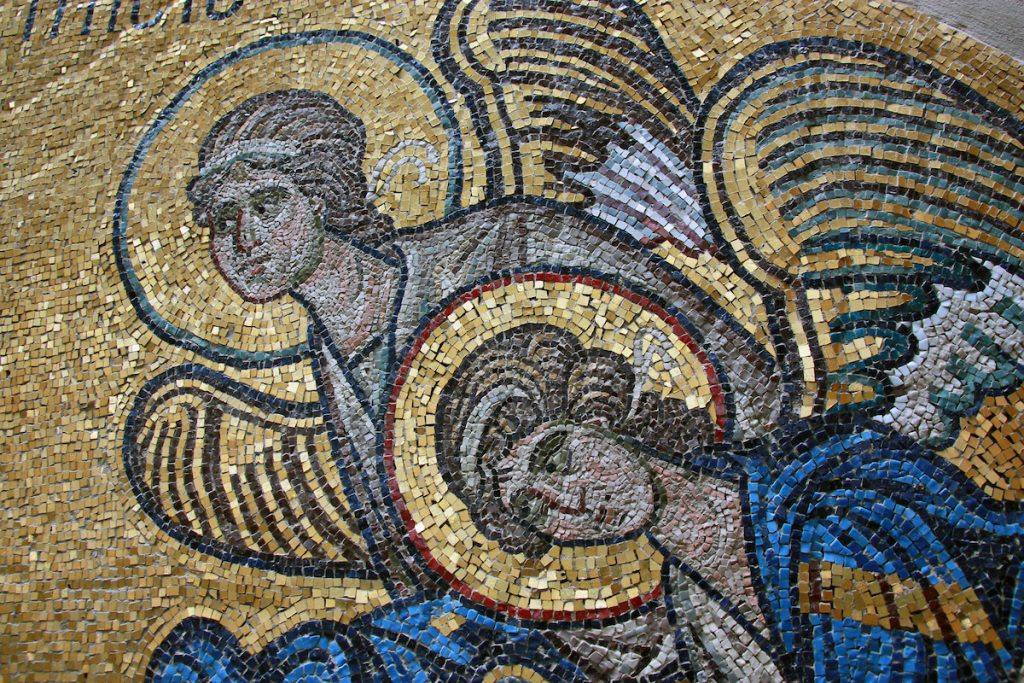
• Arrival of the Angels: Two angels arrive in Sodom, greeted by Lot, who insists they stay in his home for the night. The text does not suggest any form of sexual context in these interactions.
• Lot’s Plea and the Mob: That evening, men from Sodom, young and old, surround Lot’s house and demand to “know” the visitors. This pivotal moment is often interpreted as a reference to sexual violence, but the interpretation hinges on the translation of the Hebrew word “yada.”
The Linguistic Debate
The Meaning of “Yada”
• Literal Translation: The Hebrew term “yada” generally means “to know” and is used across the Bible in contexts ranging from intellectual understanding to intimate relations.
• Translation Variances: Some versions, like the NIV, explicitly translate this as “have sex with,” implying a sexual context, while others, like the King James Version, stick to the original “know,” leaving the interpretation ambiguous.
• Context Matters: The word “bow,” meaning “to go into,” is used in Genesis to signify sexual relations explicitly. This word appears when Lot’s daughters scheme to conceive by getting their father drunk, highlighting a clear contrast in terminology.
Analyzing the Scene
• Rape, Not Sexual Orientation: If the mob’s intent was sexual, the emphasis would be on non-consensual, violent assault rather than consensual relationships. This suggests that the scene reflects a threat of sexual violence (gang rape) rather than a commentary on homosexuality.
• Rape as a Power Play: The discussion emphasizes that rape is about power and domination, not attraction. Thus, associating the sin of Sodom with homosexuality ignores the dynamics of coercion and violence in the narrative.
Cultural and Theological Insights
The Code of Hospitality
• Lot’s Defense: Lot’s desperate plea to protect his guests underscores the cultural weight of hospitality. Offering his daughters highlights the era’s patriarchal norms and the extreme value placed on guest protection.
• Jesus’ References: Jesus refers to Sodom and Gomorrah when discussing hospitality failures, reinforcing that the city’s sin was a breach of this sacred social code.
The Broader Scriptural Context
• Judgment Was Pre-Determined: The angels came to Sodom to execute judgment due to existing sins, not because of what happened that night. The dialogue between God and Abraham reveals that Sodom’s fate was sealed after failing to find ten righteous people in the city.
• The Sins Enumerated Elsewhere: Passages in Ezekiel mention Sodom’s sins as arrogance, lack of compassion, and injustice to the poor, not sexual immorality.
Debunking Common Misinterpretations
Homosexuality vs. Sexual Violence
• Homosexuality: Defined as consensual attraction or relationships between people of the same sex. The incident in Sodom involves coercion, a stark difference from what constitutes homosexuality.
• Modern Conceptions: The term “homosexuality” was coined in the 19th century, making it anachronistic to project this concept onto ancient scriptures.
Historical and Scholarly Perspectives
• Scholarly Works: The speaker recommends texts like “Behold I Make All Things New” and “I Am Divine So Are You,” which explore human dignity and sexuality in various religious contexts. These resources provide a thorough analysis of biblical passages, cultural norms, and linguistic intricacies.
Conclusion
The story of Sodom and Gomorrah is complex and layered. The passage reflects issues of power, violation of social codes, and the broader themes of justice and compassion, rather than a simple condemnation of sexuality. As modern readers, understanding the cultural and historical context is crucial for a more nuanced interpretation, moving beyond oversimplified narratives to a deeper theological understanding.