Photo: Ivars Kupcis/WCC
I stood before the congregation that Sunday morning, feeling the weight of a message that had both comforted and challenged me throughout the week. It was the feast of the Transfiguration, a day that celebrates the moment Jesus revealed his divine glory to three of his disciples on a mountaintop. As I welcomed everyone—whether they were sitting in the pews, tuning in from home, or even out at sea—I reminded them of a simple yet profound truth: “God loves you.”
This love, I said, is unconditional. It embraces each of us, no matter where we are or what we’re going through. As the opening prayers rose from our lips in unison, I felt a unity in the room, a sense of shared longing to encounter something holy, something beyond ourselves.
An Encounter Beyond Comprehension
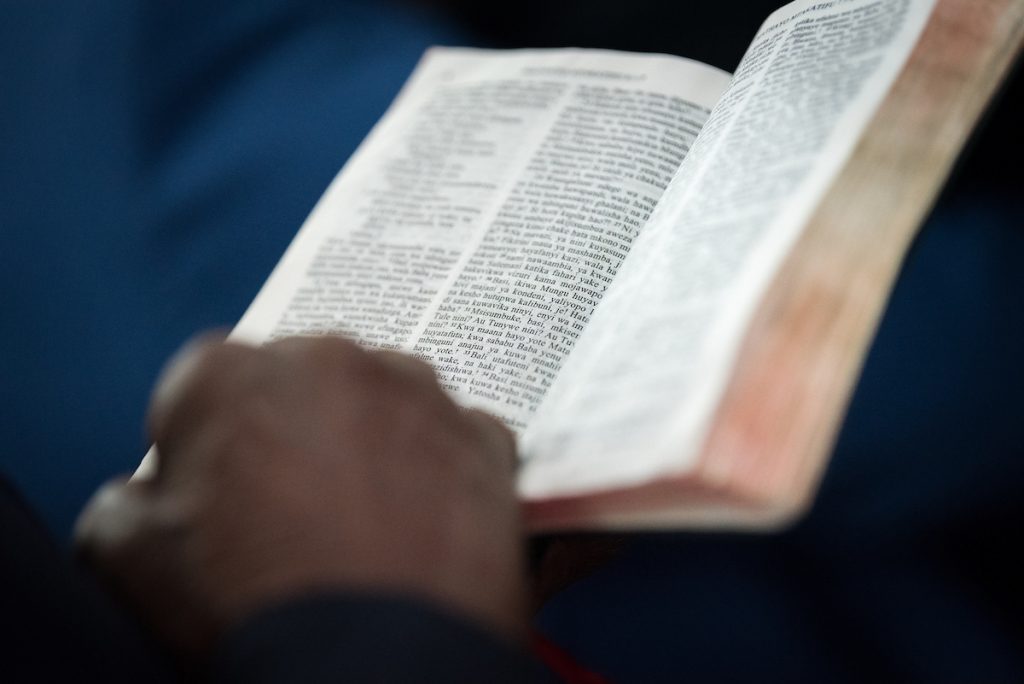
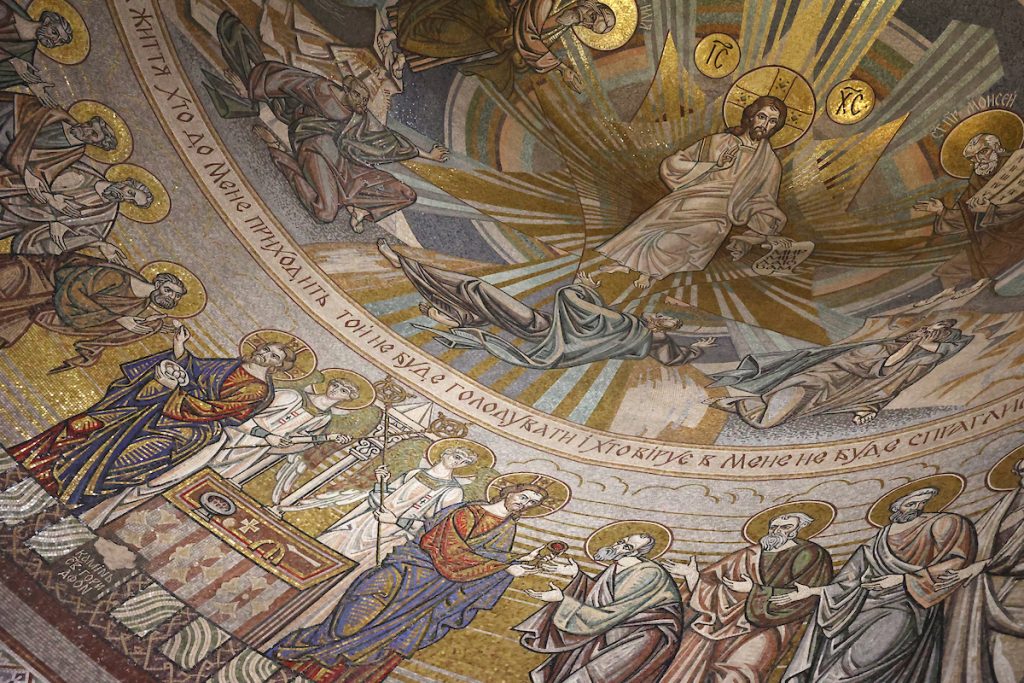
When it was time to read the gospel, I opened the Book of Luke and proclaimed the story of the Transfiguration. It’s a scene that has always captivated me: Jesus ascending the mountain with Peter, John, and James, only for his face to shine like the sun and his clothes to become dazzling white. There, he is joined by Moses and Elijah, and they speak of his impending crucifixion. It’s a moment so otherworldly, so full of glory, that the disciples are left speechless.
Peter, bless him, stumbles over his words. He suggests building shelters for Jesus, Moses, and Elijah, grasping for a way to anchor the extraordinary into the ordinary. I shared with the congregation how this moment reminds me of our own struggles to hold onto fleeting glimpses of the divine, to make sense of what cannot be fully understood.
The Divine Within Each of Us
But the Transfiguration is not just a historical event; it’s a metaphor for our own spiritual journeys. I asked everyone to consider this: within each of us, there is divine light, waiting to break free. It’s a radical idea, yet one deeply rooted in our identity as beings created in the image of God. In Indian culture, the greeting “Namaste” acknowledges this truth—the divine in me recognizes the divine in you. What if we saw each other in that way? What if we allowed the holy within us to transform our lives?
The call is clear: to live authentically, to let that hidden divinity shape how we love, forgive, and act. It’s a lifelong process, an unfolding of who God has created us to be.
Wrestling with Contemporary Questions
Our conversation didn’t stop at the mountaintop. I brought up the tensions and debates that had been brewing within the Anglican Church, especially during the Lambeth Conference. We are a community divided on issues like human sexuality, but I stressed the miracle of sitting together in grace, even when we disagree. Both sides, I said, have arrived at their convictions through deep prayer and study of Scripture. It’s not about judgment; it’s about recognizing that God can move in diverse and unexpected ways.
That, too, is a kind of transfiguration—a transformation of our hearts to make space for the Spirit’s work in our differences.