Photo credit: Georgina Goodwin/WCC
The Crisis at Hand
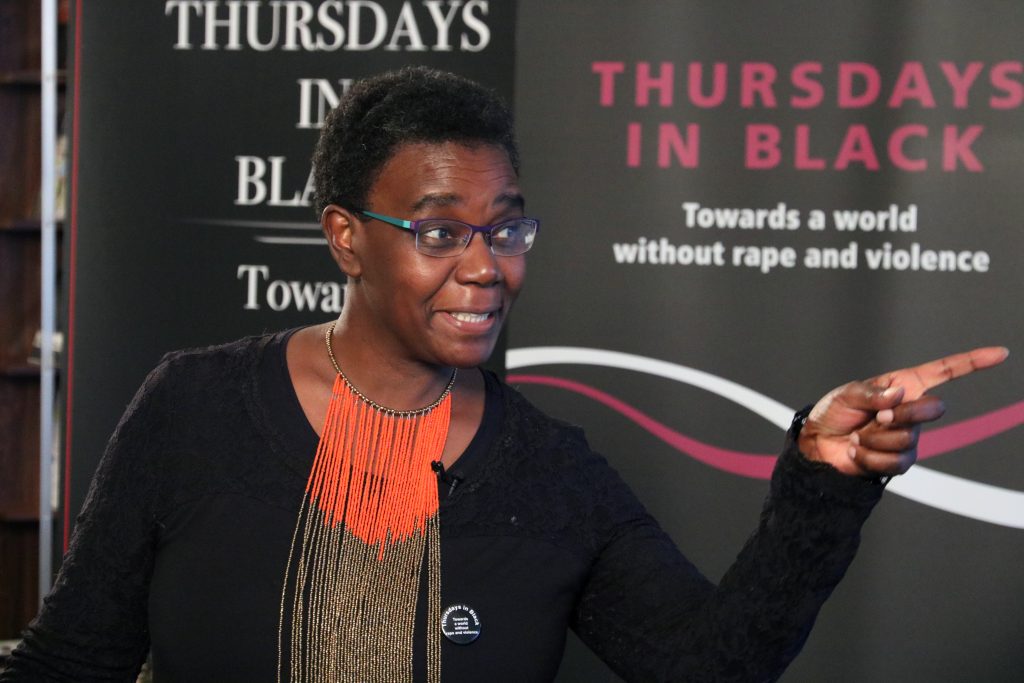
In a powerful address, Reverend Rahab Wanjiru Kariuki, an Anglican priest from Kenya and a member of INERELA+ (International Network of Religious Leaders Living with or Personally Affected by HIV), presented a critical discussion on the initiatives for addressing HIV among adolescents and youth in Eastern Africa, with a focus on Kenya. Her presentation emphasized the severe and persistent stigma associated with HIV, compounded by high poverty rates, and how these factors have drastically impacted young lives.
The Youth Demographic and HIV’s Impact
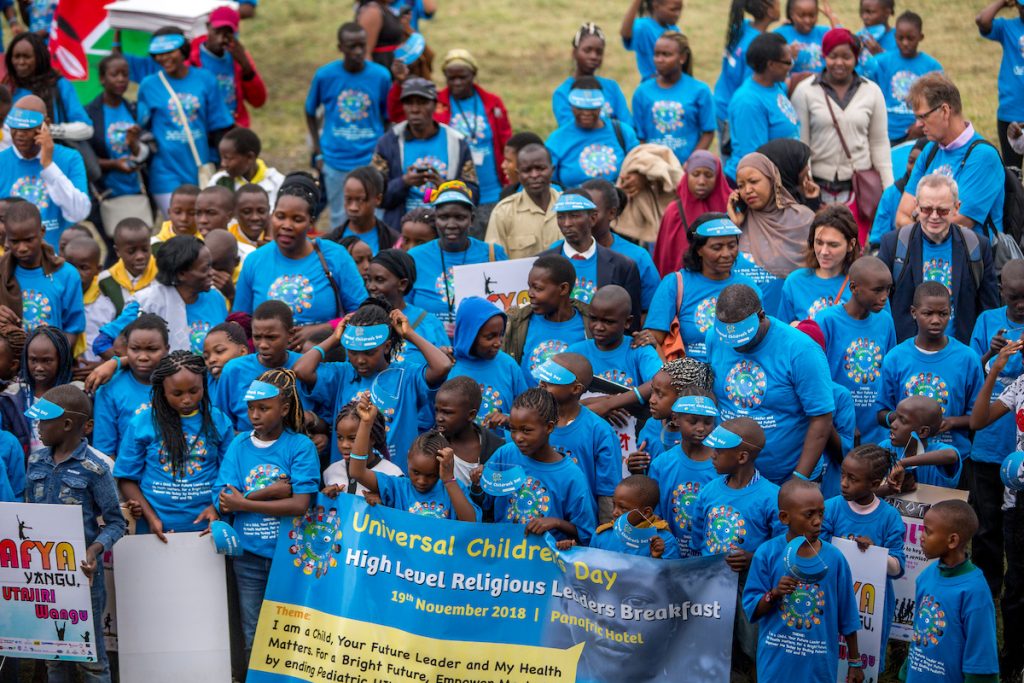
• Youth Dominance in Kenya: Over 65% of Kenya’s population is under 35. Many of these young people have grown up during the height of the HIV crisis, as the country faced one of its most stigmatized and destructive health challenges.
• HIV Prevalence and Stigma: The first case of HIV in Kenya was reported in the 1980s, and while the overall prevalence rate has decreased from 11% to 6%, infection rates among adolescents and young adults are alarmingly on the rise. Reverend Rahab highlights that stigma persists on multiple fronts: self-stigma, family stigma, societal stigma, and even institutional stigma in schools and faith-based communities.
Poverty and Sexual Vulnerability
• Poverty’s Role: Many families in Kenya live below the poverty line, sharing cramped living spaces. This living arrangement exposes children to adult sexual activities and influences at a disturbingly young age. With limited access to education and healthcare, many young people are left vulnerable to early sexual activity and exploitation.
• The Tragic Legacy: In the early years of the HIV epidemic, prevention of mother-to-child transmission was not widely available, resulting in a generation of children born HIV-positive. These children have faced lifelong challenges, often compounded by an environment that fosters stigma and neglect.
Faith Communities: A Beacon of Hope?
• Religious Influence: Reverend Rahab underscores the critical role of faith communities in HIV prevention and support. She references the culturally ingrained religiosity of Africans, borrowing from Bishop Desmond Tutu’s insights that Africans are “notoriously religious.”
• INERELA+’s Model of Care: the networ has developed a holistic model called “SAVE,” which focuses on:
• Safer practices
• Access to treatment and healthcare services
• Voluntary testing and counseling
• Empowerment of those affected by HIV
• Combatting Stigma: Religious leaders are trained to address the pervasive stigma surrounding HIV, emphasizing that it has no moral or spiritual basis and should not be linked to notions of immorality. Anela’s efforts aim to deconstruct these harmful associations through education and support.
Youth-Centric Initiatives and Education
• Safe Spaces for Youth: Faith communities are encouraged to provide safe, judgment-free environments where young people can express their feelings and experiences. Addressing misconceptions about HIV, particularly for children born with the virus, is crucial.
• Life and Relationship Skills Curriculum: Anela has rolled out a comprehensive curriculum that covers sex and sexuality education for all ages, from young children to the elderly. This initiative seeks to normalize conversations around sexuality and equip youth with knowledge to make informed decisions.
Addressing Mental Health and Addiction
• Unspoken Challenges: Reverend Rahab identifies the undercurrent of mental health issues that accompany stigma, such as depression and addiction. She calls for a more open discussion of these issues, which often manifest as gender-based violence, substance abuse, and sexual exploitation.
• Holistic Support: Anela emphasizes the need to link physical health with mental well-being, providing comprehensive support for people living with HIV.
The World Health Organization’s 90-90-90 Target
• Adherence and Viral Suppression: Reverend Rahab advocates for achieving the World Health Organization’s 90-90-90 target, which aims for 90% of people to be tested, 90% of those diagnosed to receive treatment, and 90% of those treated to achieve viral suppression. The message “U=U” (Undetectable = Untransmittable) is central to this goal, promoting the idea that people with suppressed viral loads cannot transmit HIV.
Advocacy and Inclusivity
• Call for Equal Access: Anela encourages civil societies to push for non-discriminatory sexual and reproductive health services. Reverend Rahab stresses that key populations—often marginalized—must be recognized as deserving of dignity and care, created in the image of God.
Conclusion: A Unified Effort for the Future
Reverend Rahab’s concluding message is one of unity and urgency. She appeals for collaboration among faith communities, governments, and civil society to create a supportive environment for youth, recognizing that Africa’s future lies in the hands of its young population. The fight against HIV must be comprehensive, tackling stigma, promoting education, and ensuring healthcare access.
“Let us work together to make everyone living with HIV undetectable and untransmittable,” Reverend Rahab concludes, “because only then can we begin to kill the stigma and empower our youth for a healthier tomorrow.”