Photo credit: Gregg Brekke/WCC
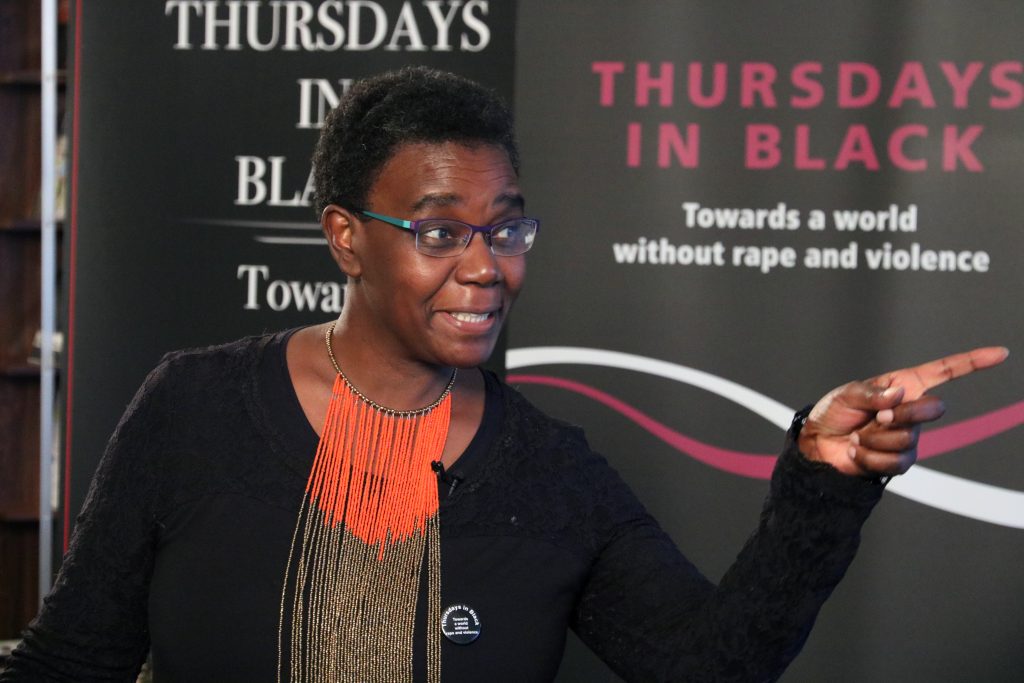
This article explores the unique approach of the Our Whole Lives (OWL) program, a comprehensive sexuality education (CSE) curriculum developed through a partnership between the United Church of Christ (UCC) and the Unitarian Universalist Association (UUA). The insights presented are drawn from a YouTube video featuring Amy Johnson, a representative from the UCC, discussing OWL and her experiences promoting CSE globally.
Johnson emphasizes that OWL distinguishes itself by integrating a faith-based perspective into the traditionally secular realm of CSE. The curriculum includes a separate manual, “Sexuality and Our Faith,” which offers UCC and UUA perspectives on topics covered in the secular modules. This approach aims to bridge the perceived divide between faith and sexuality, demonstrating that these two aspects of life can coexist and inform one another.
Johnson highlights the international interest in OWL, noting that individuals from the Philippines, the Caribbean, and Africa have participated in OWL training. This global reach underscores the universality of the need for comprehensive sexuality education and the potential for faith-based organizations to play a role in its dissemination.
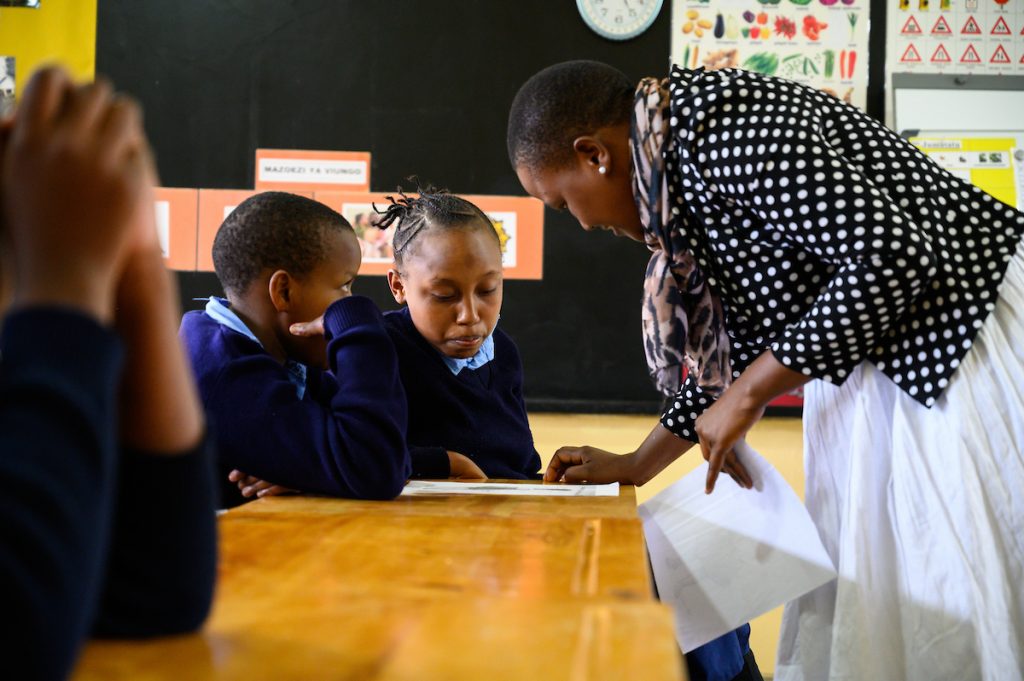
Johnson recounts her experience conducting an OWL training in Tanzania in collaboration with the Evangelical Lutheran Church in Tanzania (ELCT) and the Church of Sweden. Initially, participants expressed uncertainty about the connection between sexuality and faith. However, the training proved transformative, equipping participants with the language and framework to discuss sexuality within a faith-based context. The training’s impact extended beyond the immediate participants, empowering them to engage in more open and informed conversations about sexuality within their communities.
Johnson emphasizes the importance of collaboration between secular and faith-based organizations in promoting CSE. She challenges the assumption of a wide chasm between these groups, advocating for bridge-building and shared goals. She underscores the practical, life-saving potential of this collaborative approach, particularly in addressing stigma and misinformation surrounding sexuality.
Johnson recounts a town hall meeting in her home state of Washington, where proposed legislation to mandate CSE in schools faced strong opposition fueled by fear and misinformation. This experience highlights the pervasiveness of resistance to CSE, even in progressive regions. She stresses the need for tools and resources to train religious leaders and engage communities in constructive dialogue about sexuality.
Johnson advocates for the inclusion of children and families in these conversations, recognizing their crucial role in driving systemic change. She believes that early and open dialogue about sexuality can help dismantle harmful stigma and foster greater understanding and acceptance.