Photo: Marcelo Schneider/WCC
In a recent talk, I delved into a subject that remains difficult and uncomfortable for many: the harsh realities of sexual and gender-based violence. Drawing from a biblical story that is rarely discussed in our churches or religious spaces, I sought to highlight how societal silence and the denial of these issues perpetuate a cycle of abuse.
Uncovering a Story We’d Rather Ignore
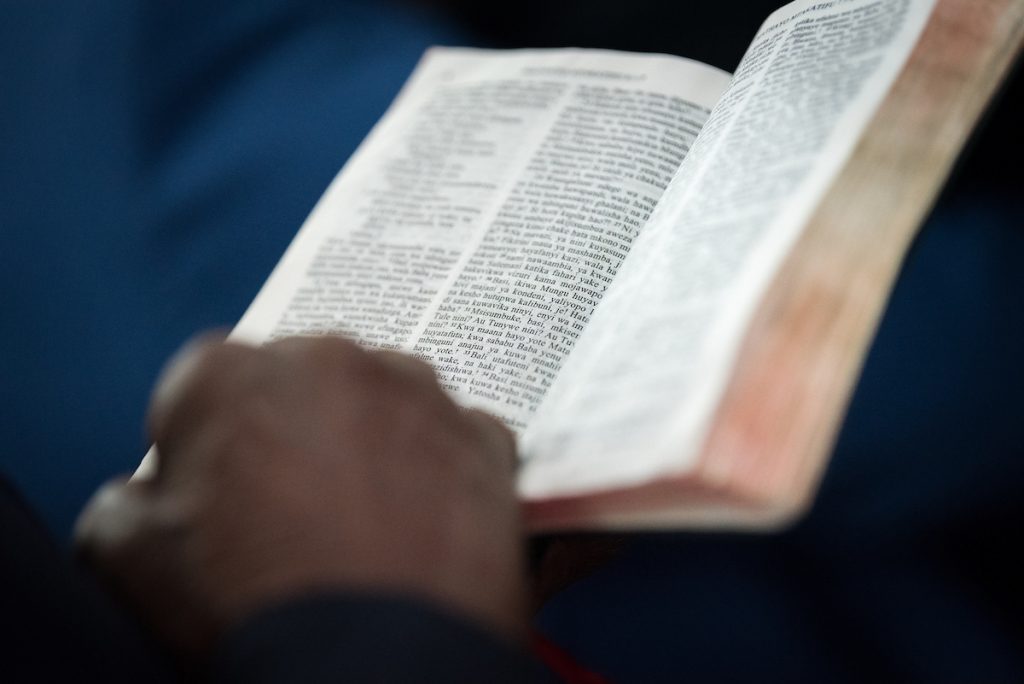
What do we really know about the story of Tamar? This is a story from the Bible that many of us may never have heard read aloud in our places of worship. Why is that? It deals with themes we’re often unwilling to address: rape, power dynamics, and the silence that surrounds gender-based violence. This avoidance, this systematic erasure, doesn’t mean that these stories aren’t there; it means we choose not to confront them. And in doing so, we fail the victims.
The Pain of Unspoken Realities
Tamar’s story is a raw and painful one. When she was violated by her own brother, those who worked in the house knew what was happening. They were witnesses to the horror, yet they did nothing. Isn’t that familiar? We see injustices daily, and far too often, we turn away. Like the silent bystanders in Tamar’s story, we become complicit by our unwillingness to engage.
The Power of Refusal to Stay Silent
Many assume Tamar was silent, but she wasn’t. Within the limits of her society, she did everything she could to make her suffering known. She tore her clothes, put ash on her head, and wept bitterly. She used the tools she had to tell the world she had been violated. Her brother Absalom saw and understood the signs, asking her, “Has Amnon been with you?” Her resistance and visibility are crucial. Tamar reminds us that even in a society determined to silence victims, there are ways to protest, to refuse erasure.
David’s Inaction and Our Society
Let’s consider the role of King David, Tamar’s father. He had all the power necessary to respond meaningfully to her violation, yet he did nothing. He got angry. He was sad. But ultimately, he did nothing. Doesn’t that sound familiar? How many of us, when faced with news of sexual or gender-based violence, experience outrage but fail to act? We feel, but we don’t intervene. We express emotion, but we don’t change anything. David’s inaction is a mirror to our society’s recurring failures.
A Stark Reality: The Ubiquity of Violence
One-third of women have experienced sexual or gender-based violence. Let that sink in. When you look around a room filled with women—whether it’s your family, your friends, or your colleagues—statistically, a third of them have suffered this kind of violation. Yet it’s not just heterosexual women who experience this; the LGBTQ+ community is also deeply affected, but even more silenced. The violence is there, yet we often pretend it doesn’t exist.
The Weight of Silence
Why don’t we talk about these issues? Because our silence allows them to continue. It’s as if we’re conditioned to turn our heads, to ignore what’s right in front of us. But that very silence, that refusal to speak and acknowledge, makes us complicit. When we can’t even name the violence, how can we ever hope to stop it?
Violence in the Places We Should Feel Safe
Here’s another uncomfortable truth: 90% of these assaults don’t happen in dark alleyways or isolated streets. They happen in our homes or involve someone we know, someone our family has invited in. That’s where the violence occurs, in the spaces we believe to be the safest. We think of our homes as sanctuaries, yet for many, they are the sites of unimaginable harm.
The Broader Consequences
The impact of this violence goes far beyond physical harm. It creates deep vulnerabilities, increasing the risk of sexually transmitted infections and complicating access to healthcare. When people can’t talk about their trauma, when they’re too afraid or ashamed to seek help, they suffer in silence. The cost of our societal denial is staggering, and it leaves victims even more isolated and unsupported.
A Call to Break the Silence
I know these truths are uncomfortable. But I believe that acknowledging them is the first step toward change. We cannot keep pretending these stories don’t exist. We must confront them, talk about them, and support those who are hurting. Just as Tamar found a way to make her suffering visible, we need to find ways to bring these painful realities into the light. Only then can we hope to make a difference.