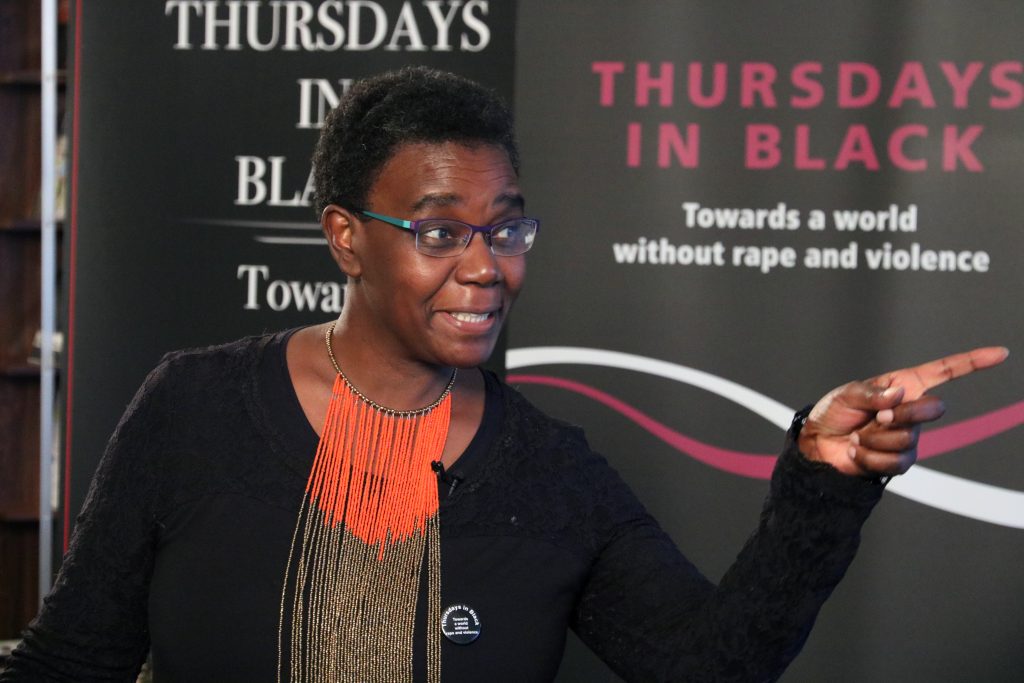

Photo: Albin Hillert/WCC
A Call for Collective Action
This piece explores the complex relationship between the church, HIV/AIDS prevention, and gender-based violence (GBV) mitigation. It emphasizes the need for collective action and pragmatic solutions while advocating for both spiritual and material support.
Key Insights and Discussions
1. Basic Needs and Vulnerabilities of Young Girls
• Spiritual support like prayer, while essential, is insufficient for young girls facing socio-economic hardships.
• Unmet needs often drive these girls to seek resources from potentially harmful relationships, increasing their vulnerability to HIV and GBV.
• The church’s role should include scholarships, skill-building programs, and opportunities for personal development to promote self-worth and independence.
2. Shifting Cultural and Gender Norms
• Transforming societal attitudes, particularly among men, to respect and support young women rather than exploit them is crucial.
• Parents are encouraged to create gender-neutral environments at home, treating sons and daughters equally and fostering self-esteem in girls.
• The community must provide safe spaces for girls to express concerns and access accurate information.
3. Parent and Community Engagement
• Parental involvement in providing accurate and comprehensive sexual health education is highlighted as essential.
• Parents should engage in workshops and training sessions on HIV and GBV, fostering open communication with their children.
• Organizations like the Mother’s Union are noted for offering training to combat stigma and promote healthy practices.
4. The Church’s Responsibility in Providing Safe Spaces
• Despite the church’s extensive resources, it struggles to create safe and inclusive spaces for discussions around sexuality and HIV.
• Acknowledging the necessity of these conversations, the church faces resistance in implementing them broadly.
• Leaders are called to reconcile spiritual beliefs with the practical needs of vulnerable populations, including those from diverse sexual orientations.
5. Inclusivity and Addressing Sexual Diversity
• The importance of the church’s engagement with the LGBTQ+ community and other marginalized groups is emphasized.
• Ongoing dialogue to shift attitudes and improve understanding is crucial, even if disagreements over sexual diversity persist.
• Efforts have begun at leadership levels, though widespread acceptance and implementation remain a challenge.
6. Healing and Addressing Stigma
• A broader understanding of healing is necessary, encompassing spiritual, physical, and emotional support.
• Collaborations with theological institutions and training for religious leaders are in progress to promote HIV awareness and sexual health education.
• Regional efforts in countries like Cameroon, Burkina Faso, Senegal, and Kenya are cited, showcasing initiatives to engage with key populations, including sex workers and incarcerated individuals.
Conclusion: The Journey Towards Inclusive Support
The discussion acknowledges the complexity of the church’s role in addressing HIV and GBV. Despite differing approaches, the call for unity in finding solutions is clear. The overarching message emphasizes that the church must be a place of healing and support for all, reflecting the inclusivity of the gospel.