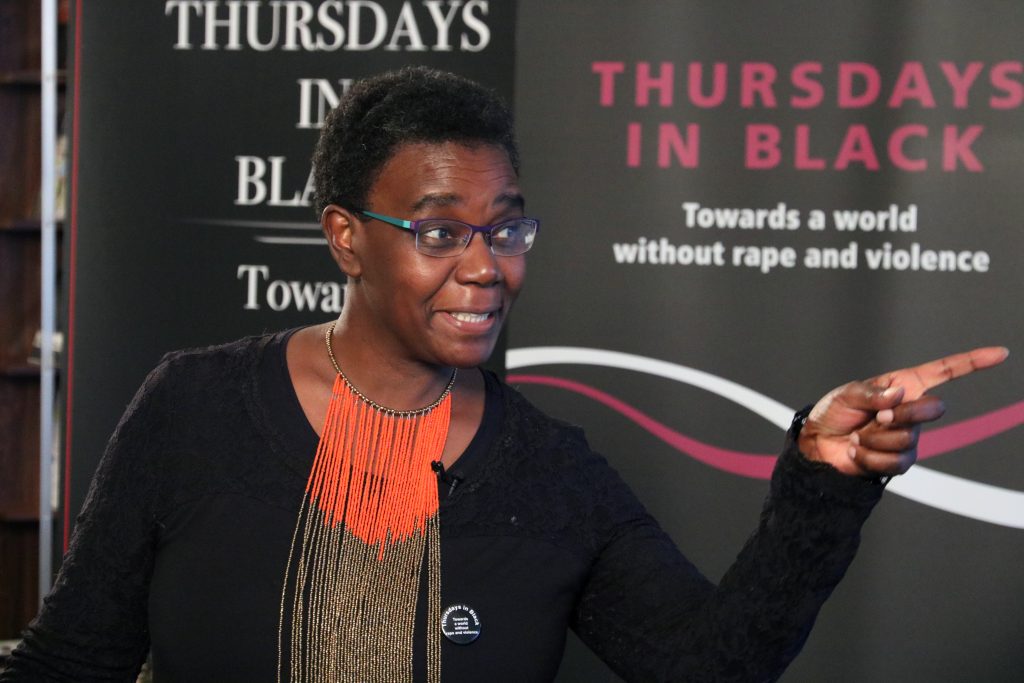

Photo: Albin Hillert/WCC
In a dynamic discussion about the intersection of faith and sexuality education in Africa, critical insights emerge around the role of religious institutions in addressing sexual and reproductive health. The conversation focuses on how churches and faith communities can meaningfully contribute to comprehensive sexuality education while remaining true to their religious ethos.
The Challenge of Youth Sexual Debut
The age of sexual debut in Africa is significantly younger compared to countries like Sweden. This discrepancy raises important questions about the social and cultural dynamics affecting young people. In many African contexts, religious communities hold substantial influence, making them pivotal in shaping attitudes and behaviors around sex and sexuality. Yet, the challenge lies in the language and framework used to discuss these sensitive topics within faith-based settings.
Navigating Language and Cultural Sensitivity
A key point raised is the importance of using appropriate language that resonates within faith communities. The phrase “comprehensive sexuality education” often faces resistance or misunderstanding. Therefore, advocates for sexual education are reframing the conversation to align more closely with religious values. They propose terms like “life-giving sexual communication,” grounded in biblical principles such as John 10:10, which emphasizes living life abundantly.
• Faith-Based Language: Using language like “life-giving” shifts the perspective from a secular to a spiritual context, making the message more acceptable to religious leaders and communities.
• Biblical References: Connecting sexuality education to scripture, like John 10:10, helps bridge the gap between religious teachings and modern sexual health knowledge.
Addressing Abuse and Power Dynamics
The discussion highlights the grave issue of sexual abuse among minors. Distinguishing between consensual relationships among peers and situations where adults abuse their power is crucial. Faith communities must be proactive in condemning abuse and protecting young people. The need to educate both boys and girls about their bodies, boundaries, and the consequences of sexual activity is emphasized.
• Consent and Maturity: Emphasizing that maturity and mutual respect are essential, the conversation draws a clear line against the abuse of power by adults.
• Protective Education: Education should empower young people with knowledge about their bodies, reproductive health, and the emotional and physical implications of sexual activity.
A Call for Faith-Aligned Education
The ultimate goal is to create an educational framework that not only informs but also upholds the spiritual values of the community. This includes understanding how the body works and the transition into adulthood, while reinforcing the moral and ethical teachings that faith communities cherish.
• Comprehensive Understanding: Teaching about bodily functions and sexuality should be holistic, preparing young people for adulthood in a way that respects their faith.
• Faith-Centric Approach: Integrating religious values into sexual education could make it more effective and widely accepted.
Conclusion
The dialogue about comprehensive sexuality education within faith communities in Africa is ongoing and complex. The effort to harmonize secular education with spiritual beliefs is crucial, as it promises a culturally sensitive and faith-respectful approach to one of the most pressing issues facing young people today. As churches grapple with these realities, their role could prove transformative, offering life-saving guidance and protection to the next generation.