Photo: Peter Williams / WCC
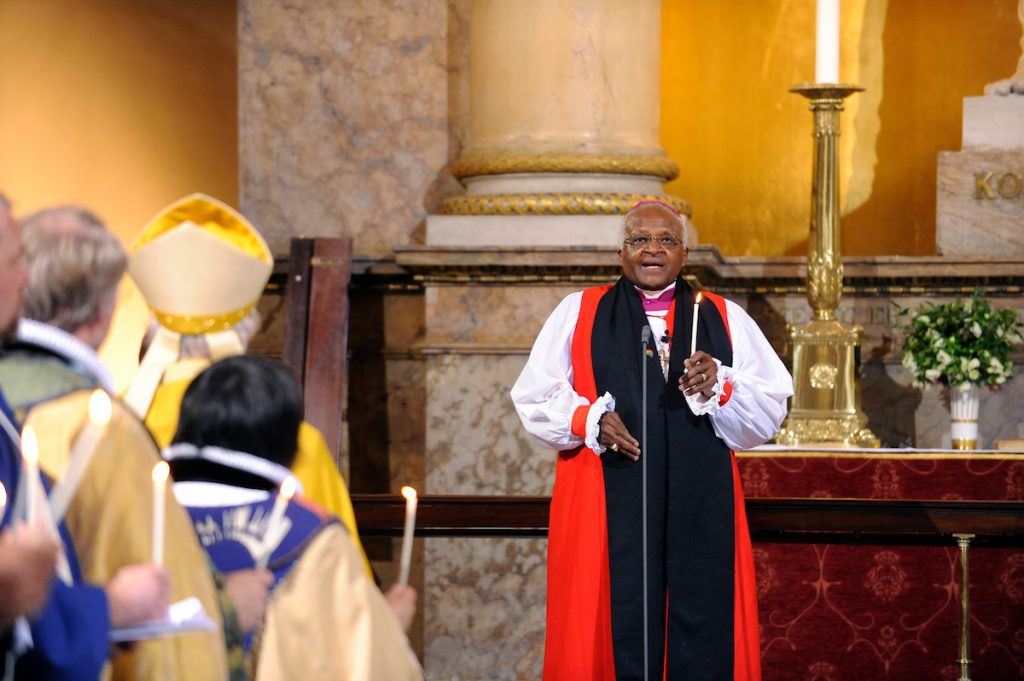
I remember the first time I heard the hymn “Mary, Did You Know?” It resonated with me deeply, echoing through my soul with a sense of wonder and reverence. As the year began, one particular moment stands etched in my memory: the requiem mass for Archbishop Desmond Tutu. This significant ceremony, punctuated by reflections on his incredible life, set the tone for a year that I now call “22.” It’s not just a playful nod to 2022 but a profound invitation to look back on the legacy of someone who taught us what it means to live a life of purpose, faith, and service.
A Requiem for Desmond Tutu
• Opening Reflection: As the speaker recounted, Bishop Michael Nuttall eloquently framed Tutu’s life around the words of the prophet Micah: to do justice, to love kindness, and to walk humbly with your God. It wasn’t just a mere homage but a powerful testament to how these ideals were woven into the fabric of Tutu’s existence.
• Justice, Kindness, Humility: These aren’t abstract concepts but pillars that can transform the world. As the sermon unfolded, I was drawn into the reminder that true faith is expressed in action, in the simple yet extraordinary task of loving our neighbors and striving for equity.
The Incarnation and Its Profound Meaning
Hearing the familiar passage from the Gospel of John felt like a meditation on the idea of the Incarnation. It isn’t simply a theological concept; it is the mystery of God dwelling among us. The speaker connected this beautifully to the way we should live our lives, embodying that divine light, not just in grand gestures but in everyday actions.
• Music as a Spiritual Anchor: The hymn “Mary, Did You Know?” was more than a song—it became a form of worship. The haunting lyrics bring forth an image of the young Mary, perhaps still grappling with the enormity of carrying the Savior. In a touching rendition, the words reminded us of the miraculous feats Jesus would perform, from walking on water to healing the blind.
Mary’s Role: A Symbol of Hope and Revolution
The second version of the song took the meditation deeper. It was less about questioning what Mary knew and more about understanding the revolutionary significance of her existence. The lyrics spoke of her holy cry, her lullaby, and the subversive power of her words. Mary isn’t just a quiet figure; she is a beacon for those yearning for justice, an icon whose story continues to inspire liberation.
• A Lullaby of Liberation: The notion that Mary’s voice still calls out for the healing of nations left an indelible mark on my spirit. It made me think about how often we underestimate the strength found in the most unexpected places, the gentle yet unbreakable resolve of a mother who changed history.
The Myths We’ve Outgrown
Christmas myths, like the idea of Jesus being born in a lonely, isolated inn, have always shaped how we understand the Nativity. But this year, I was introduced to a fresh perspective. A theologian from the Philippines argued that the word often translated as “inn” more accurately describes a “guest room.” Joseph and Mary, being humble but connected, would have stayed with family in a crowded common room, surrounded by warmth and the company of loved ones.
• Reimagining the Birth Scene: This small yet significant detail changed everything for me. Mary wasn’t giving birth in isolation. Instead, she had the support of family, women who would have cared for her, creating a picture of community that feels all the more sacred.
A Call to Embody the Light
The Incarnation isn’t only about celebrating Jesus coming into the world; it’s about becoming vessels of that divine light ourselves. It’s about recognizing that God’s presence among us demands that we be present for others. It challenges us to do justice—actively, passionately—and to embrace kindness as a daily practice, not just a feeling.
• Justice as a Doing Word: “Love is a verb,” the speaker reminded us. It’s not a passive state but a dynamic force. And to walk humbly with God means to acknowledge our place in the universe, allowing the Incarnate Christ to guide us.
Concluding Thoughts: Living Out the Incarnation
As I listened to the closing reflections, I realized that the year ahead isn’t just another passage of time. It’s an opportunity, a sacred calling to be the light, to let Christ’s presence shine through us in every small and significant way. And perhaps, in living out this incarnation, we can truly honor the legacies of those like Archbishop Tutu, who showed us how to turn faith into transformative action.