Photo credit: Georgina Goodwin/WCC
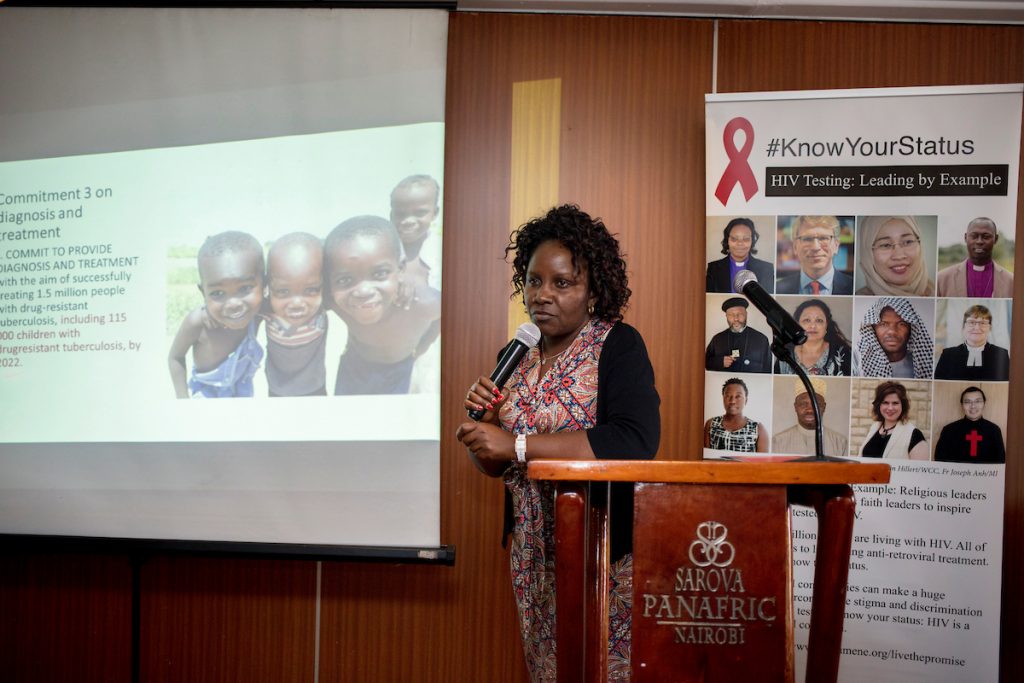
In a powerful address that resonated deeply across continents, a faith leader from the Northern Cape Province in South Africa revealed the untapped potential of religious communities in combating one of the world’s most persistent public health challenges: HIV/AIDS. Standing as a proud and openly HIV-positive advocate, the speaker detailed how faith-based organizations can be a driving force in not only prevention and care but in healing societal divisions that perpetuate stigma.
The Power of Faith-Based Initiatives
The global fight against HIV/AIDS has made remarkable strides, but we are still far from the ambitious targets set by UNAIDS: the 90-90-90 goals aimed at having 90% of people with HIV know their status, 90% of those diagnosed on treatment, and 90% achieving viral suppression. The reality, however, is that without the full involvement of faith-based communities, these goals are nearly unattainable.
“Faith-based communities,” the speaker emphasized, “are uniquely positioned to reach into the heart of our societies.” These communities are everywhere, deeply trusted, and have a moral influence that can catalyze change at the grassroots level.
Dispelling Myths and Combatting Stigma
One of the most significant barriers to effective HIV prevention and treatment is misinformation. Myths about how HIV is transmitted, or mistaken beliefs about who can contract the virus, continue to spread fear and discrimination. Faith leaders have the capacity—and the responsibility—to educate their followers with accurate information, breaking down these dangerous misconceptions.
From the pulpit, religious leaders can use their voice to challenge stigmatizing language and replace it with messages of love and inclusion. The goal is to create environments where individuals feel safe discussing their HIV status and seeking the care they need.
The Role of Churches in Health Services
Faith-based spaces are more than just places of worship; they can become hubs for health services. Churches can open their doors to host HIV testing and counseling, organize support groups for those living with HIV, and even provide adherence clubs to help individuals stay consistent with their treatment plans.
These efforts can transform communities by offering a holistic approach to HIV care. By incorporating spiritual and psychological support, churches can address not just the medical needs but also the emotional and social challenges faced by those living with HIV.
Tackling the Root Causes: Poverty and Social Injustice
The address didn’t shy away from linking HIV/AIDS to broader societal problems. Poverty, gender-based violence, domestic abuse, and school dropouts are everyday realities for many communities. “We can’t ignore that after our Sunday services, our congregants return to homes fraught with violence, stress, and despair,” the speaker reminded the audience.
Faith-based organizations are urged to expand their social responsibility programs, offering food security initiatives and tackling gender-based violence head-on. By addressing these root causes, churches can create healthier, more resilient communities that are less vulnerable to the spread of HIV.
Talking About What Matters: Uncomfortable but Necessary Conversations
Faith communities have often struggled to address topics such as mental health, reproductive rights, and sexuality. Yet these are precisely the conversations that need to happen if we are serious about ending the HIV epidemic. The speaker encouraged faith leaders to use their influence to foster open dialogue about sensitive issues, ensuring that everyone, regardless of their background, feels heard and supported.
The Courage to Lead by Example
One of the most moving parts of the speech was the call for faith leaders to lead by example. The speaker urged religious figures to publicly disclose their own HIV status or participate in community HIV testing. This act of vulnerability can dismantle stigma and show the world that being HIV-positive is not a mark of shame.
Faith leaders are reminded that rejecting or condemning others based on outdated moral judgments goes against the very core of their spiritual teachings. Instead, unconditional love and acceptance must be the guiding principles in their work.
Conclusion: A Call to Action
The address ended with a poignant reminder: religious leaders have the power to change lives. By using their influence for good, they can create compassionate, stigma-free communities where every person, regardless of their HIV status, feels loved and supported. In the ongoing fight against HIV/AIDS, the role of faith-based communities is not just important—it’s essential.
The message was clear: the journey to end HIV/AIDS requires unity, understanding, and the full commitment of every segment of society, including those who lead us in faith. And as the speaker concluded, “With the tools we already have—our places of worship, our influence, and our unwavering commitment to love—there’s nothing stopping us from making a difference.”