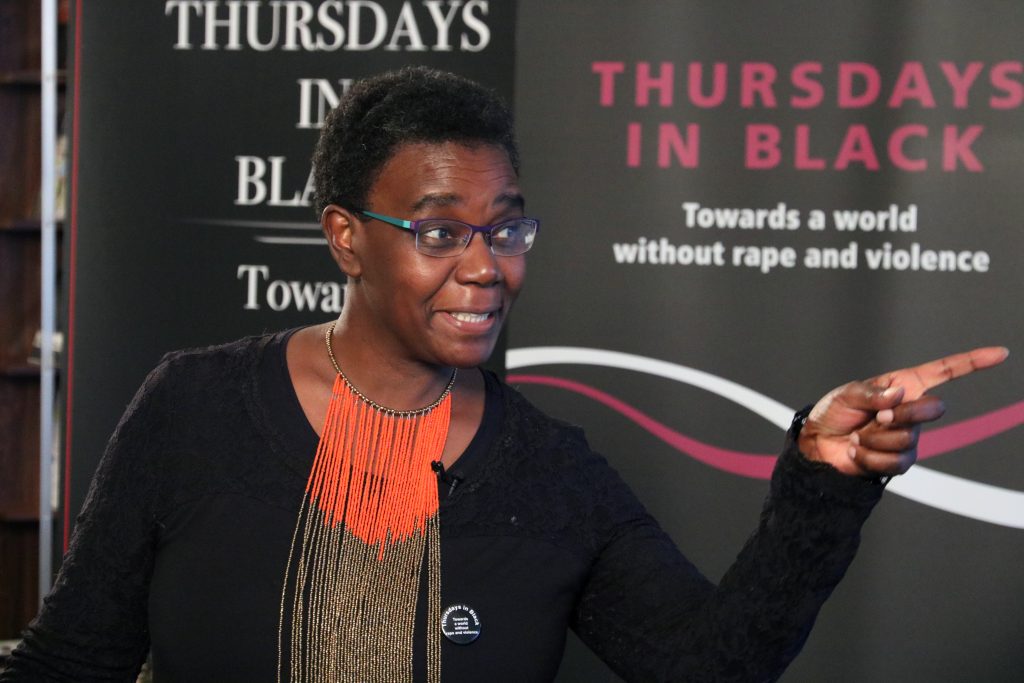
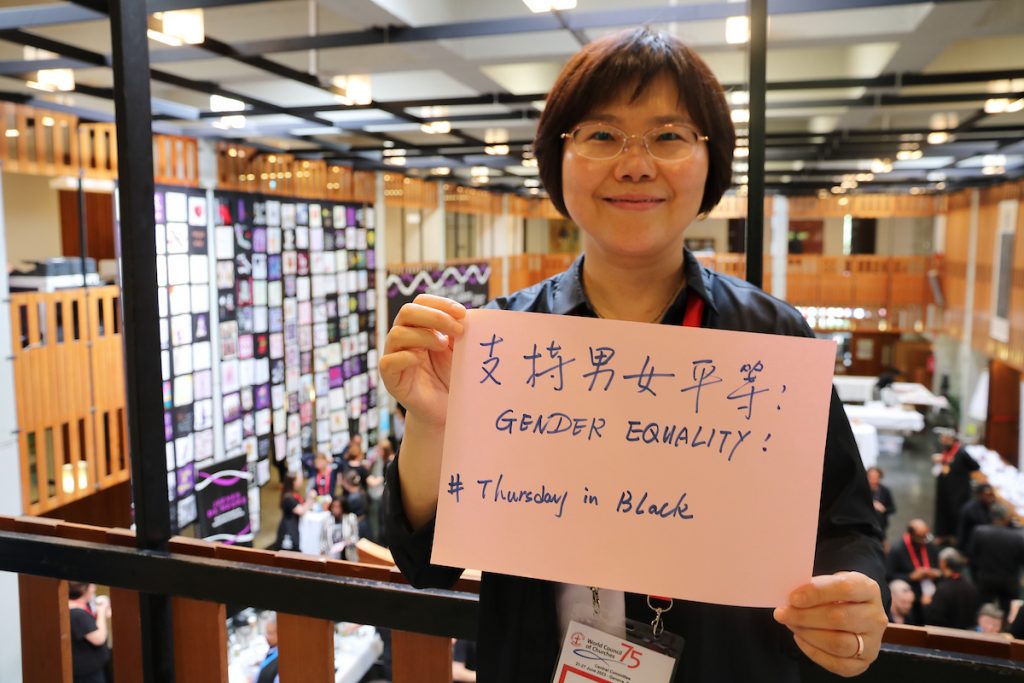
Photo: World Council of Churches
In a heartfelt conversation, an intersex advocate known as Small sheds light on intersex realities, the struggles faced due to societal and medical misconceptions, and the urgent call for bodily autonomy and respect for intersex people.
Breaking Down the Intersex Experience
Defining Intersex Beyond Medical Labels
• The discussion begins with a critical look at how society predominantly recognizes only male and female genders. Small emphasizes the existence of intersex people, whose bodies do not conform strictly to these binary categories.
• Misunderstanding and stigma often label intersex individuals as suffering from an “illness.” Medical professionals frequently attempt to “correct” intersex traits through surgical interventions performed on children, which can lead to lifelong harm.
The Harm of “Corrective” Surgeries
• Small articulates the pain and trauma caused by surgeries meant to “normalize” intersex bodies. These procedures are typically performed before the individual is old enough to provide informed consent, resulting in physical and emotional scars that persist into adulthood.
• The conversation challenges the notion that intersex traits are disorders needing correction, advocating for a broader understanding of human diversity.
The Right to Self-Determination
A Call for Change in Medical Practices
• Small emphasizes that intersex people are not disordered but simply different, another valid variation of human existence. The medical system’s tendency to view intersex traits as problems often leads to unnecessary interventions, which Small describes as harmful and violating.
• Instead of imposing surgeries, the community advocates for intersex children to be allowed to grow up with their natural bodies intact, empowering them to make decisions about medical interventions once they are mature enough.
Personal Impact and Advocacy
Highlighting Stories of Trauma and Resilience
• Reflecting on past experiences, Small recounts their participation in discussions about diversity and sexuality. They share the deep emotional impact of being subjected to what the medical field terms “corrective surgery,” emphasizing that these procedures stem from the flawed belief that intersex traits are disorders.
• The conversation highlights the need for a shift in medical and societal attitudes, urging recognition of intersex individuals as part of human diversity, rather than as anomalies needing correction.
Conclusion: Embracing Intersex Diversity
Small’s testimony is a powerful reminder of the importance of bodily autonomy and the right to self-determination. By challenging harmful medical practices and advocating for a more inclusive understanding of gender and biology, the intersex community seeks a future where difference is not only accepted but celebrated.