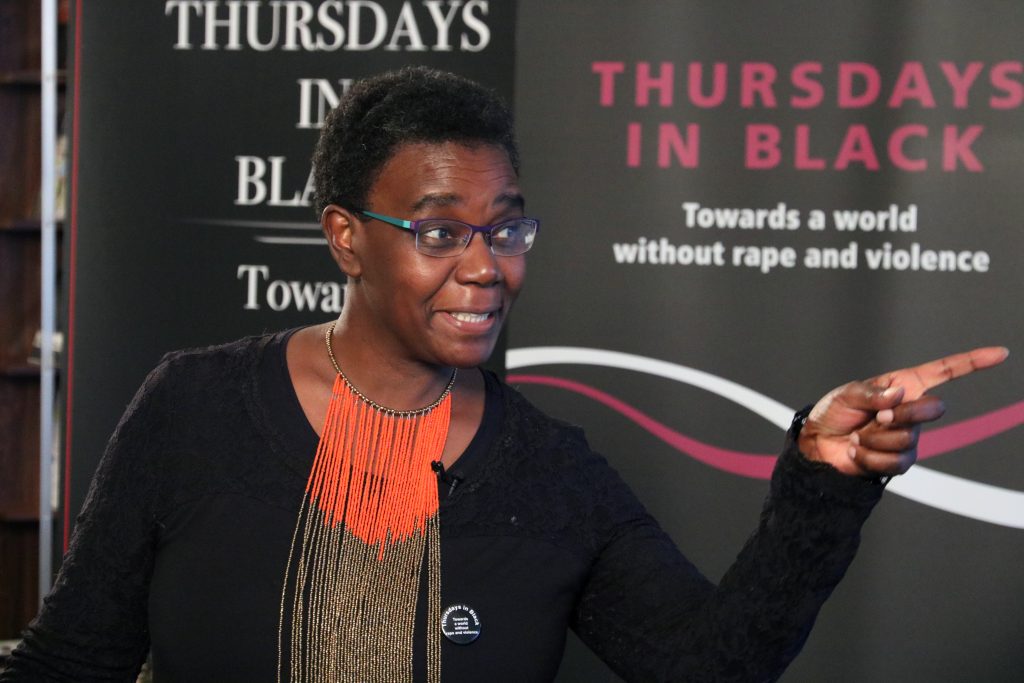

Photo credit: Albin Hillert/WCC
A Theological Perspective on Gender and Sexuality
In a compelling conversation with Dr. Ezra Chitando from the World Council of Churches – Ecumenical HIV & AID Initiatives and Advocacy, the dialogue explores the intersection of faith, theology, and human sexuality. The discussion sheds light on a trilogy of influential books that aim to transform theological understandings of gender and sexual orientation. These works serve as essential resources for promoting an inclusive, affirming dialogue on these deeply sensitive and often contentious topics.
The Impactful Trilogy of Books
1. Groundbreaking Legal Advocacy
• One of the books played a significant role in influencing the Indian Supreme Court’s decision to overturn Penal Code 319 laws, demonstrating the profound effect that theological insights can have on legal reforms.
• This achievement highlights how religious advocacy can contribute to progressive societal change.
2. Exposing Translation Misinterpretations
• The latest publication, Holy Censorship, or Mistranslation, examines the inaccuracies in biblical translations, which have historically fueled misconceptions about gender and sexuality.
• Dr. Chitando argues that these misinterpretations need to be corrected to foster a more inclusive religious understanding.
3. The Language of Faith as a Tool for Understanding
• Dr. Chitando emphasizes the importance of using religious language to engage effectively with communities. By framing discussions around faith, the books invite people to reconsider their biases and embrace acceptance.
Endorsement from Influential Organizations
The books have received significant acclaim from the World Council of Churches’ Commission on Human Sexuality. Their endorsement underscores the importance of these publications in advancing global discussions on gender identity and orientation. By employing a faith-based framework, the books provide a powerful tool for fostering empathy and understanding within religious circles.
A New Role in Theological Engagement
Dr. Ezra Chitando, an experienced theological consultant, now serves as the coordinator for Southern Africa. His new role continues to prioritize the integration of theology in addressing issues like HIV and human sexuality. While theology in the past may have been restrictive, Dr. Chitando’s work seeks to ensure that religious teachings evolve to support human rights and dignity.
Conclusion: Theology as a Vehicle for Change
This conversation highlights the critical role of theology in addressing social issues, particularly gender identity and sexual orientation. By reinterpreting traditional beliefs and advocating for a more reflective, inclusive theology, religious communities can become strong allies in human rights efforts. The work of Dr. Ezra Chitando and his colleagues is essential in creating a more welcoming and understanding faith environment for everyone.