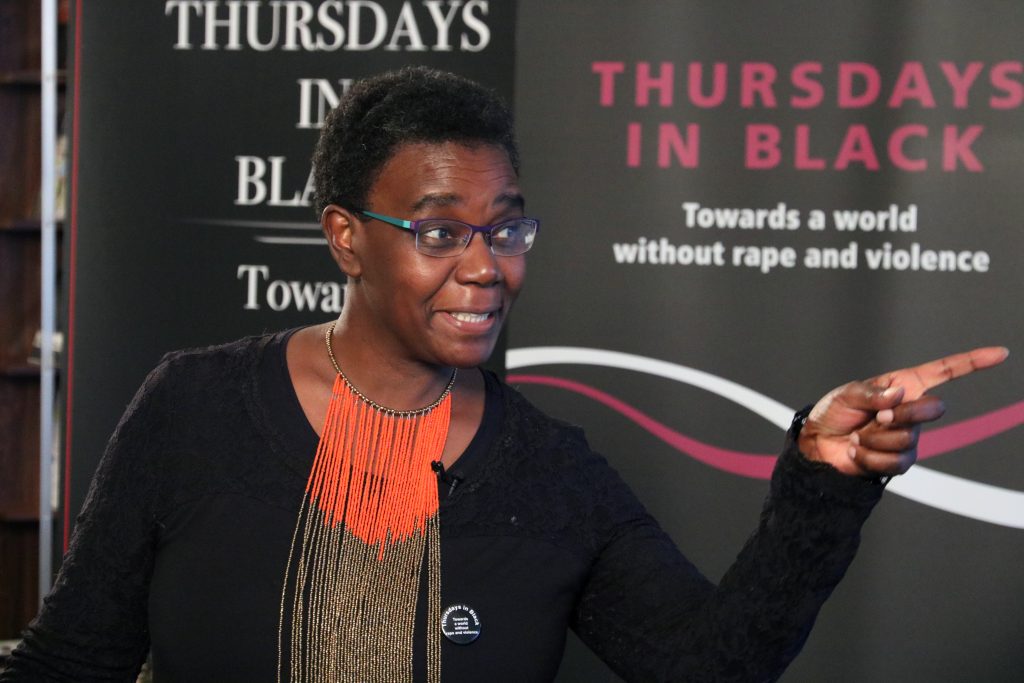

Photo: Simon Chambers/WCC
In an evocative and deeply reflective discussion, themes of personal choice, regret, and the road to renewal are explored. This exploration tackles complex issues through the lens of relationships, abstinence, and the struggles faced when one’s actions do not align with their intentions. Emphasis is placed on the importance of open dialogue, non-judgmental support, and the affirmation of one’s ability to reset and make new decisions despite past missteps.
The Struggles of Sticking to Personal Values
• Resisting Temptation: The narrative begins with an analogy about Lenten abstinence, illustrating how the allure of one’s favorite food can make even the most sincere vows difficult to uphold. This sets the stage for a discussion on how life often pulls us in directions we did not anticipate.
• Falling and Rising Again: A critical point made is that failing to maintain a commitment—like choosing abstinence and then breaking it—does not define a person’s entire journey. The emphasis is on recognizing one’s slip and the ability to stand up and make different choices moving forward.
Key Message: Choice and Self-Renewal
1. Empowering Youth to Make New Choices:
• Young people, particularly girls, are encouraged to understand that a single action, like having unprotected sex, does not have to dictate their future decisions.
• They can still choose abstinence if it aligns with their values, even after an initial misstep. It’s about reclaiming agency over one’s decisions.
2. The Power of Asking Questions:
• The discussion highlights the need for compassionate conversations with those who are struggling. Questions like, “How are you feeling?” or “What have you learned from this experience?” help guide the person to reflect and decide on their next steps without external pressure.
• Such discussions also acknowledge the emotional complexity of relationships, including feelings of love, regret, and confusion.
Community and Support
• Group Counseling: The idea of group discussions is presented as a way to create a supportive environment. Open forums can help individuals, especially young women, navigate complicated feelings and find collective understanding and strength.
• Addressing Critical Health Concerns: Health considerations, like knowing a partner’s HIV status, are highlighted as crucial. The conversation touches on the importance of having these discussions to ensure safety and awareness in relationships.
Breaking the Cycle of Condemnation
• Redefining Abstinence Education: The talk underscores that teaching abstinence goes beyond simply saying “don’t do it.” It requires equipping people with the tools and support to abstain and offering guidance on handling moments of failure.
• Creating a Non-Judgmental Space: The idea that making a mistake doesn’t equate to losing one’s worth is essential. By providing hope and reassurance, many might find the courage to continue striving for their values rather than feeling condemned.
Conclusion: Offering Hope and New Beginnings
The message concludes with a powerful reminder: falling short of one’s standards is part of the human experience. The focus should be on how we respond to these moments, whether through self-forgiveness, renewed commitments, or seeking guidance from trusted communities. The underlying message is clear: mistakes don’t define us, and we have the power to make different choices as we learn and grow.