History of a seafarer’s sanctuary in Malmö
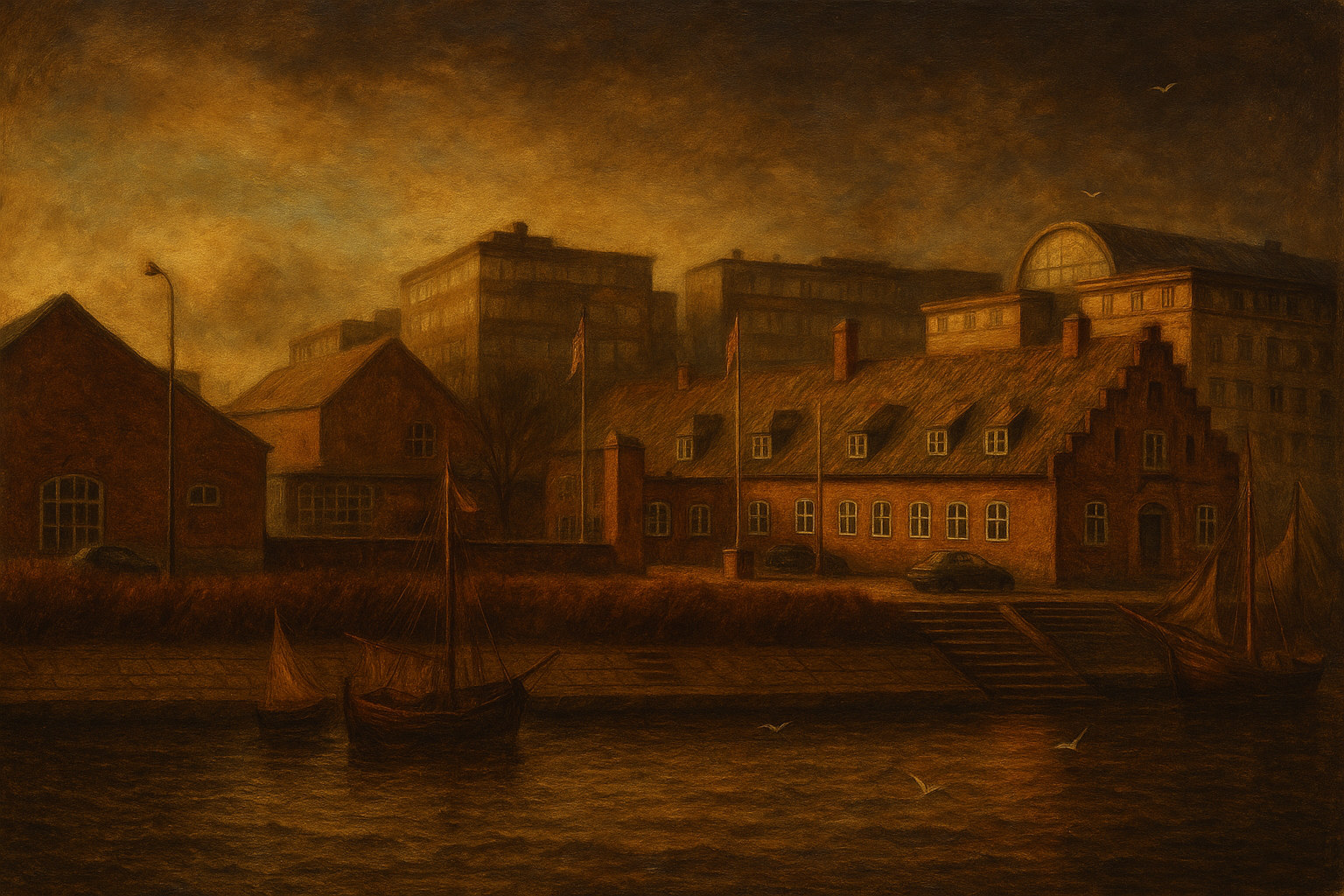
Malmö’s bustling port is a world of contrasts — the crisp sea breeze mixing with the rhythmic hum of machinery, while seafarers, men and women who sail across the world, often remain invisible to those on shore. Amid this dynamic setting stands St. Nikolai Gård, a quiet refuge offering solace to those who spend their lives on the unforgiving waters.
St. Nikolai Gård is more than just a building. It is a sanctuary, a haven where seafarers find a moment of peace, a place to reconnect with their faith, or simply a friendly face. The walls here whisper stories — stories of men who have crossed oceans but have not touched land in months, of letters written home, of quiet prayers whispered in dozens of languages.
A History Rooted in Compassion
The origins of this mission trace back to 1886 when it began as a modest reading room, a place of warmth away from the intoxicating allure of port taverns. Initially rooted in the temperance movement, it offered tea over alcohol, reflection over revelry. This effort was not just about providing an alternative to the bars but creating a community of care for seafarers.
By 1889, the mission expanded with the establishment of the “Sjöman’s Hem” — a place that offered more than just books. It provided shelter, food, and friendship to seafarers passing through Malmö’s harbor. Supported by the city itself, which granted 1,500 kronor annually, it was a clear testament to the mission’s importance. In 1909, this support doubled, recognizing the mission’s growing impact. That year, it served over 4,000 crew members and offered 6,000 overnight stays.
Evolution Through the Decades
As Malmö’s port grew, so did the mission. By 1928, the Church of Sweden appointed its first chaplain to serve the seafarers. The mission moved to various locations, including a notable shift to what is now known as St. Nikolai Gård. Here, history was carefully preserved. The mission acquired unique relics like the smoking salon from the SS Kung Gustaf V and the captain’s cabin from the D Victoria, maritime treasures that whispered of countless voyages.
The mission also evolved with the times. What began as a quiet reading room became a bustling hub of activity — a place where seafarers could find a warm meal, write letters home, or simply rest. By the 1960s, the mission was offering more than just spiritual care. There was a large restaurant, bustling with lunchtime visitors, not just seafarers but local workers, generating vital funds to support the mission.
Modern-Day Ministry: A Lifeline at Sea
Today, the mission at St. Nikolai Gård is more than a historical site. It is a living testament to compassion in action. The chaplain and his team work tirelessly to meet the needs of seafarers who dock in Malmö. They offer not just spiritual support but practical help — SIM cards, internet access, and even vaccinations. During the Russia-Ukraine conflict, the mission spent over 80,000 kroner to ensure affected seafarers could stay connected with their families.
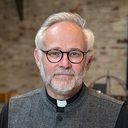
Faith here is not just a sermon. It is a handshake, a warm meal, a whispered prayer on the deck of a ship. The chaplain often leads seafarers on quiet walks in the forest, giving them a rare moment of peace away from the endless horizon of the sea.
On Ash Wednesday, the chaplain’s work becomes even more poignant. He takes the ashes to the ships, blessing those who cannot leave. For some, it is the only reminder of home and faith they will experience for months.
A Promise That Endures
The mission at St. Nikolai Gård is not just a story of history but a living testament to the power of compassion in Malmö’s port — a promise that began over a century ago and still shines brightly today.
Here, every handshake, every whispered prayer, every shared meal is part of a story that has stretched across generations, touching the lives of countless seafarers who have found a brief but profound sense of belonging on these shores.