
The Heart of the Harbor: My Ministry to Global Seafarers
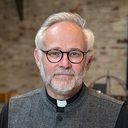
It’s a truly unique calling, one that often takes me to the heart of the maritime world, connecting with incredible individuals from all corners of the globe. Recently, I had the pleasure of being joined by Carl Adam Landström, the organist at St. Petri Church, where I also serve as priest. Carl Adam has a deep personal connection to the ocean, having studied courses related to boats and owning one himself .
Our work often involves visiting vessels in the harbor, and every day brings new insights and, at times, new challenges. One of the most beautiful aspects of this work is the unwavering hospitality offered by seafarers. Despite having very little, they often share the most amazing meals with us. For instance, we were recently treated to a unique Turkish lunch, prepared on board, featuring stuffed capsicums with rice, tomato, and paprika, along with macaroni in a cheese dressing with smoked paprika. It was truly delicious and a testament to their generous spirit .
However, not every visit is about shared meals and good news. We encounter various situations, some of which highlight the significant difficulties faced by these hardworking individuals:
* We recently visited the vessel “Ali Aykin,” which many might recognize from the news. This ship ran aground outside Malmö some weeks ago and has been waiting to discharge its cargo before heading for repairs. The good news is that the company has now managed to organize a crane and a barge to release the cargo, which was a great relief for the crew.
* We also ventured into the northern harbor to visit the “Sigma Pioneer”. This vessel has been detained for over a month due to generator problems and other issues. It’s a somber reminder that not all is well with all our seafarers, and we are constantly looking for ways to assist them in such difficult situations.
* A Vessel Under Arrest: Financial Hardship: One particularly challenging visit involved a vessel that had been arrested in the harbor because its company was facing financial difficulties. Unfortunately, it’s often the seafarers who bear the brunt of these corporate struggles. On this particular ship, the Filipino crew had gone for almost two weeks without meat or fish provisions. While some might think vegetables are enough, for a crew doing hard manual labor and accustomed to eating meat, this is a significant hardship and a big deal for them. The captain of such a vessel faces an incredibly difficult task, having to manage the crew’s morale while negotiating with the company.
Thankfully, here in Malmö, we are supported by the Sjömanskyrkan or the Seafarer’s Church. This foundation provides us with access to funds, enabling us to offer direct assistance in such emergencies. On that specific day, we were able to purchase essential provisions, including meat, to help the crew get through the weekend. The crew’s reaction was incredibly moving; they were literally bouncing with happiness. Carl Adam, coming from his role as an organist, found it to be a profound experience, witnessing firsthand the harsh realities of seafarers’ lives—being away for nine months, then home for two, and often not well-paid. He admitted he was surprised and even a little bit pissed by how some crew members are treated.
My work, which I am so grateful to God for calling me to, has two incredibly important aspects:
* Bringing the church to the harbor: This involves diaconal work, like providing food and support, as well as sacramental work. For instance, a vessel might ask us to bless it once repairs are complete, ensuring it’s seaworthy and carries God’s seal.
* Bringing the harbor to the church: This means recognizing that the seafarers are an integral part of our congregation, expanding our understanding of a worldwide church. We have a large congregation, and our reach extends beyond those living in Malmö to include these global travelers.
The scale of this work is quite immense. For our chaplaincy in Malmö, we conduct roughly 1,000 ship visits annually, reaching between 9,000 and 12,000 seafarers each year. It is indeed a very big job. Just in a span of a few days, we might handle a funeral, a wedding, and then address critical welfare needs in the harbor. I am deeply thankful for dedicated colleagues like KL Adam and for the support that allows us to continue this vital ministry. It’s an honor to be a voice that can share the importance of this work with our broader congregation.