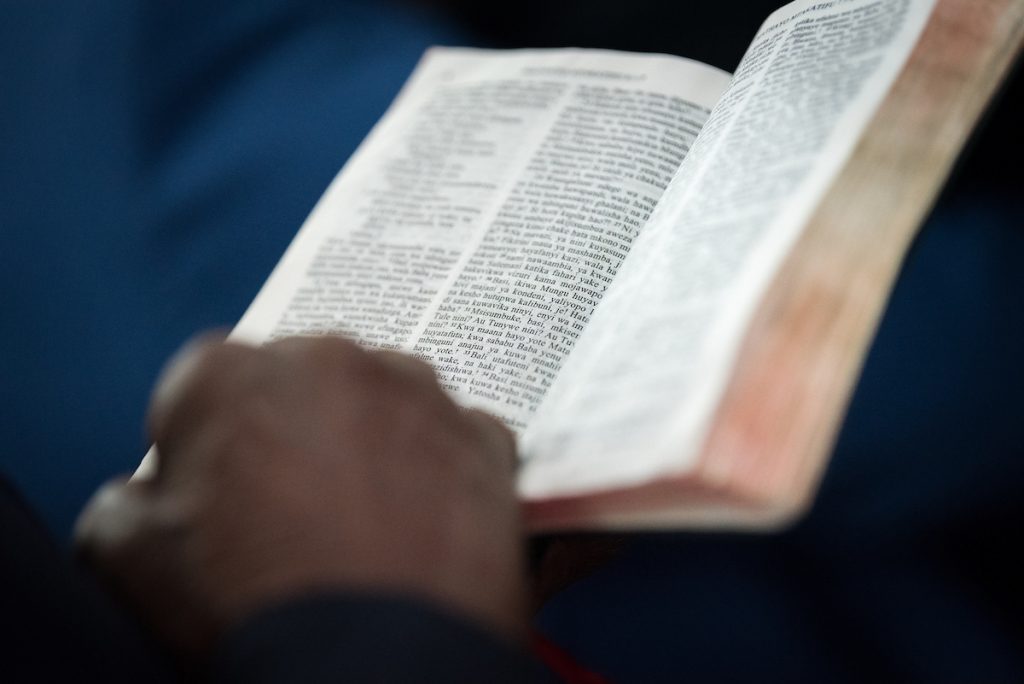

Photo credit: Simon Chambers/ACT
The challenges of navigating wealth and possessions in a world driven by material pursuits are significant. The passage from the Gospel of Luke focuses on Jesus’ teachings about the relationship between wealth and faith, which are particularly relevant in today’s context.
The Gospel presents a parable about a dishonest manager who is praised by his master for his shrewdness in securing his future. This story, though it appears paradoxical, serves as a platform for Jesus’ broader teachings on wealth and possessions. The actions of the manager, despite being dishonest, highlight the importance of foresight and careful planning, even in uncertain circumstances.
From this parable, Jesus introduces a fundamental principle: “You cannot serve God and wealth.” This statement emphasizes the tension between the pursuit of material wealth and spiritual devotion, suggesting that one cannot fully devote themselves to both without compromising their values. It’s a challenge to the belief that one can pursue material success and remain spiritually aligned.
Jesus’ message stresses the importance of using wealth responsibly and justly. Faithfulness in managing material resources is seen as a reflection of one’s character and spiritual integrity. Those entrusted with earthly wealth are called to use it in ways that align with God’s principles of justice and compassion.
Reflecting on these teachings, I find it necessary to confront the discomfort that often accompanies the parable’s message, especially the apparent commendation of the dishonest manager. However, the deeper meaning lies in its challenge to our conventional views on success and security.
Connecting these teachings to contemporary issues, it’s clear that economic inequality and injustice are pressing concerns. The COVID-19 pandemic, for instance, has widened the gap between the wealthy and the poor, as the most affluent individuals and nations have grown even richer, while the most vulnerable have suffered the greatest hardships.
There is a pressing need for a sense of justice in how wealth and resources are managed. Individuals and societies must prioritize the needs of the most vulnerable, ensuring that economic systems promote fairness and equity. This requires critical self-reflection on our own relationships with material possessions.
I am challenged to consider how I use my resources and to seek ways to live more simply and justly. Faithfulness in small matters, like sharing meals or offering hospitality, can be a profound expression of one’s commitment to living according to God’s principles.