Photo credit: Albin Hillert/WCC
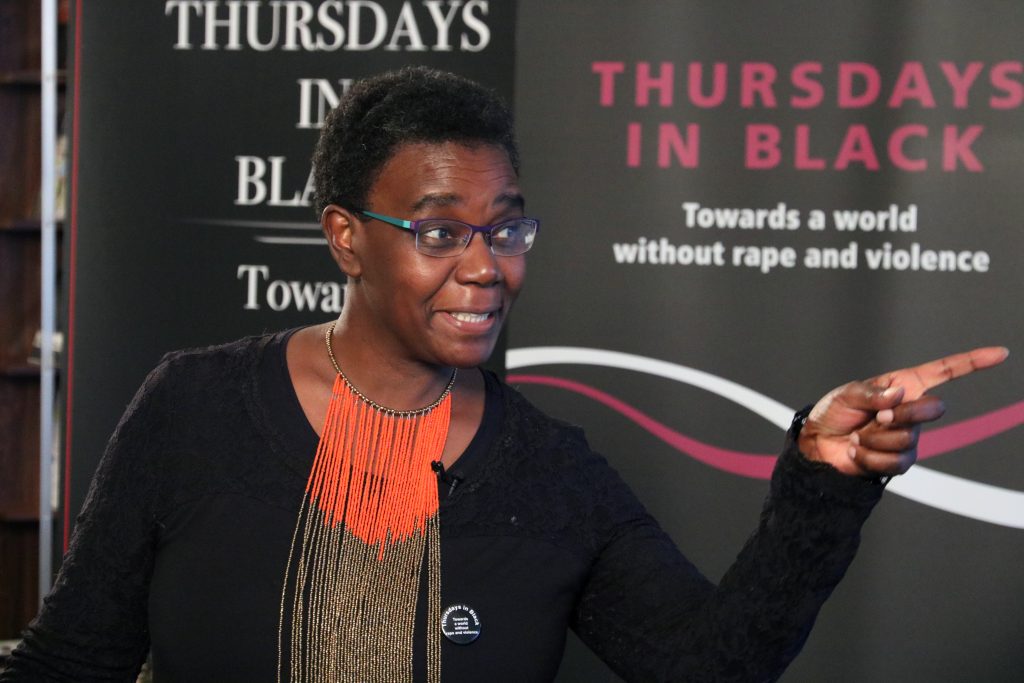
In a thought-provoking dialogue, Reverend Rahab from Kenya, an INERELA+ Ambassador, shares a transformative understanding of human sexuality. She emphasizes how sexuality, viewed as a divine and beautiful gift from God, should be embraced positively within religious communities. Her perspective highlights the importance of fostering a holistic and respectful understanding of sexuality, rooted in spiritual values and comprehensive education.
The Sacredness of Sexuality
• A Divine Gift: Reverend Rahab passionately explains that sexuality is a precious gift from God, meant to be celebrated rather than stigmatized. She challenges the prevailing negativity in religious discussions surrounding sexuality, advocating for a view that recognizes its inherent beauty and divine purpose.
• Whole Living: Living a full and meaningful life involves understanding and expressing one’s sexuality in a manner that aligns with one’s spiritual and personal values. Embracing this idea helps individuals feel more integrated and spiritually connected.
Addressing Stigma in Religious Communities
• In many religious settings, sexuality remains a topic shrouded in negativity and taboo. Reverend Rahab and her fellow INERELA+ ambassadors are committed to changing this narrative. They emphasize the importance of allowing God to work in every aspect of a person’s life, including their sexuality, to enable a life of authenticity and self-acceptance.
• The goal is to educate and empower people, especially the youth, to honor their sexuality while maintaining a strong spiritual foundation.
Life and Relationship Skills Curriculum
• Comprehensive Education: Reverend Rahab introduces the “Life and Relationship Skills” curriculum, a holistic program designed for individuals from four years old to 99. This curriculum aims to provide education on sexual health and relationship management tailored to various stages of life.
• Empowering the Youth: Recognizing that many parents, churches, and schools often avoid discussions about sexuality, this curriculum fills a crucial gap. It equips young people with the tools to understand their bodies, maintain their dignity, and make informed choices. As children grow and experience puberty, the curriculum provides guidance to help them navigate these changes confidently and responsibly.
Tackling HIV Through Open Dialogue
• A Pressing Issue: With HIV remaining a significant challenge, particularly in sub-Saharan Africa, Reverend Rahab emphasizes the necessity of addressing sexual health openly. She acknowledges that discussing sexuality has historically been uncomfortable for faith communities, but stresses that embracing these conversations is essential for effective prevention and support.
• A Brighter Future: The combination of programs like Life and Relationship Skills and initiatives such as the “God Gave Me Sexuality” campaign offers hope for a healthier and more educated society. By promoting candid discussions and comprehensive sexual health education, faith communities can play a pivotal role in addressing HIV and fostering overall well-being.
Conclusion: A Vision for Change
Reverend Rahab’s work with INERELA+ invites us to rethink the integration of sexuality and spirituality. Her message emphasizes that to confront modern challenges like the HIV epidemic, we must create an environment of openness, respect, and divine reverence for our sexual identities. By reframing sexuality as a sacred gift, she paves the way for a future where faith and health are not at odds but are mutually supportive.