Photo credit: Paul Jeffrey/WCC-EAA
Transforming Stigma into Support—Faith Communities and the HIV Response
In a world where science, health, and spirituality intersect, faith communities have emerged as powerful forces that can either challenge or perpetuate stigma, particularly concerning HIV and sexual health. In regions where religion plays a significant role in cultural and social norms, this dynamic can shape lives profoundly. The journey of transformation, from using sacred texts to ostracize individuals to employing them for healing and support, is underway—and it’s essential to the fight against HIV.
The Dual Power of Sacred Texts
Religious beliefs and sacred texts have historically been used to stigmatize individuals living with HIV and justify discrimination against them. However, many faith leaders are now reclaiming these spiritual doctrines, advocating for interpretations that promote acceptance and support. By emphasizing the life-affirming aspects of their teachings, these leaders are working to empower communities and break down barriers of prejudice.
One of the most impactful strategies discussed involves trained theologians actively challenging negative narratives by presenting alternative, life-affirming interpretations. This approach not only fosters empathy but also enables individuals to live with HIV in a manner that aligns with their spiritual beliefs.
Leading by Example: The Impact of Public HIV Testing
The power of example is crucial in shifting perceptions about HIV testing and prevention. A notable case highlighted the transformative effect of religious leaders publicly getting tested for HIV, such as when Archbishop Thabo Makgoba of Southern Africa underwent testing alongside the South African Health Minister. This moment, captured and widely shared, emphasized that knowing one’s status is a matter of self-care and responsibility, not shame. It sent a powerful message that early testing is vital for managing the virus effectively and preventing progression to AIDS.
For men, who are often less likely to get tested early due to societal pressures and stereotypes, the example set by respected figures within their faith communities can be especially persuasive. When faith leaders embrace their vulnerability and responsibility, it encourages their followers to do the same, reshaping perceptions about masculinity and health.
Tailoring Sexuality Education to Context
Sexuality education is another area where faith and science must align carefully. Comprehensive sexuality education, often seen as controversial, is framed differently depending on the cultural context. In some regions, communities are more receptive when topics like HIV prevention are introduced first, gradually leading to broader discussions about sexual health and gender equality.
Programs like “Our Whole Lives” focus on providing non-judgmental, research-based information, while also creating safe spaces for dialogue. These programs aim to address the holistic needs of young people, emphasizing the importance of asking questions and engaging with trusted adults. The integration of faith into these conversations helps ground the teachings in a familiar spiritual framework, making them more acceptable to religious communities.
The Sacredness of Safe Conversations
Creating safe, non-judgmental environments for discussing sexuality and health is a recurring theme. The importance of providing answers to pressing questions without marginalizing individuals is emphasized. Faith leaders and educators advocate for spaces where people of all ages can engage openly, blending spiritual and scientific knowledge. These conversations do not aim to demonize but instead to uplift and empower, recognizing the sacredness of all aspects of life, including sexuality.
A Call to Interfaith Collaboration
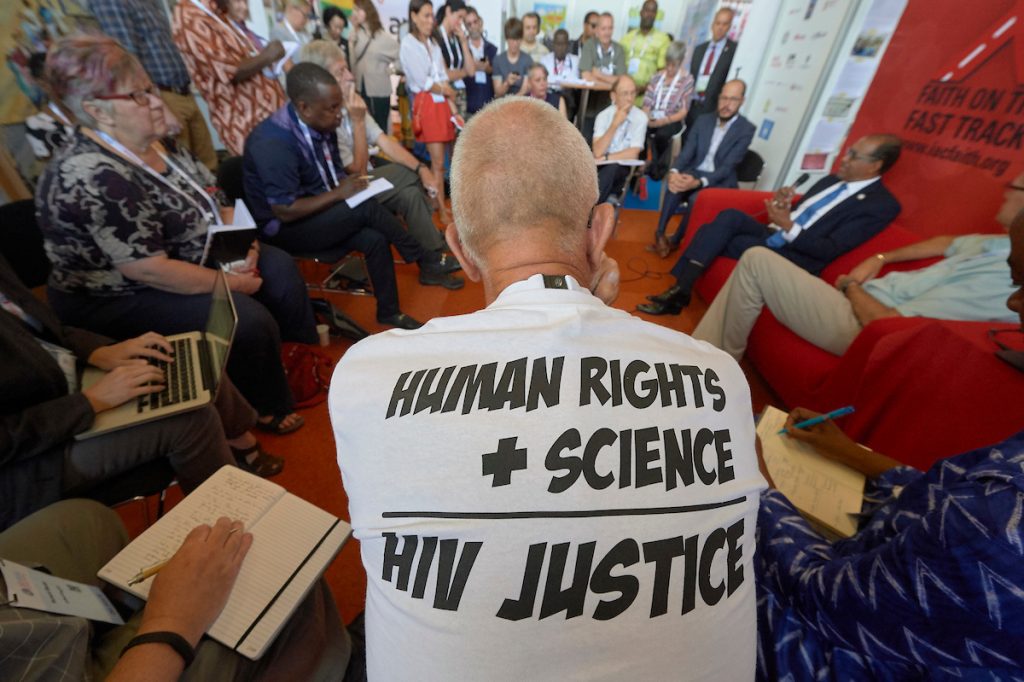
The article underscores the need for greater collaboration between different faith traditions to address global health challenges like HIV. Interfaith work brings diverse perspectives together, united by common values such as human dignity and social justice. By focusing on what unites them rather than what divides them, faith communities can amplify their impact.
This collaborative approach has shown success, as illustrated by joint presentations and discussions that emphasize commonalities between religious traditions. Such efforts help dismantle stigma and promote a collective commitment to supporting those affected by HIV, making communities more inclusive and compassionate.
Conclusion: Embracing a Holistic Approach
The journey towards a more inclusive and supportive approach to HIV and sexual health is ongoing, but progress is being made. By combining theological insights with scientific understanding and emphasizing the sacredness of informed choices, faith leaders are redefining the role of religion in public health. This work is not just about saving lives but about transforming them, making spirituality a source of strength and healing in the global fight against HIV.
As these efforts continue, the hope is that more communities will embrace this holistic approach, recognizing that issues of health, justice, and dignity are deeply interconnected. After all, creating a world where everyone can live positively and without fear of stigma benefits us all.