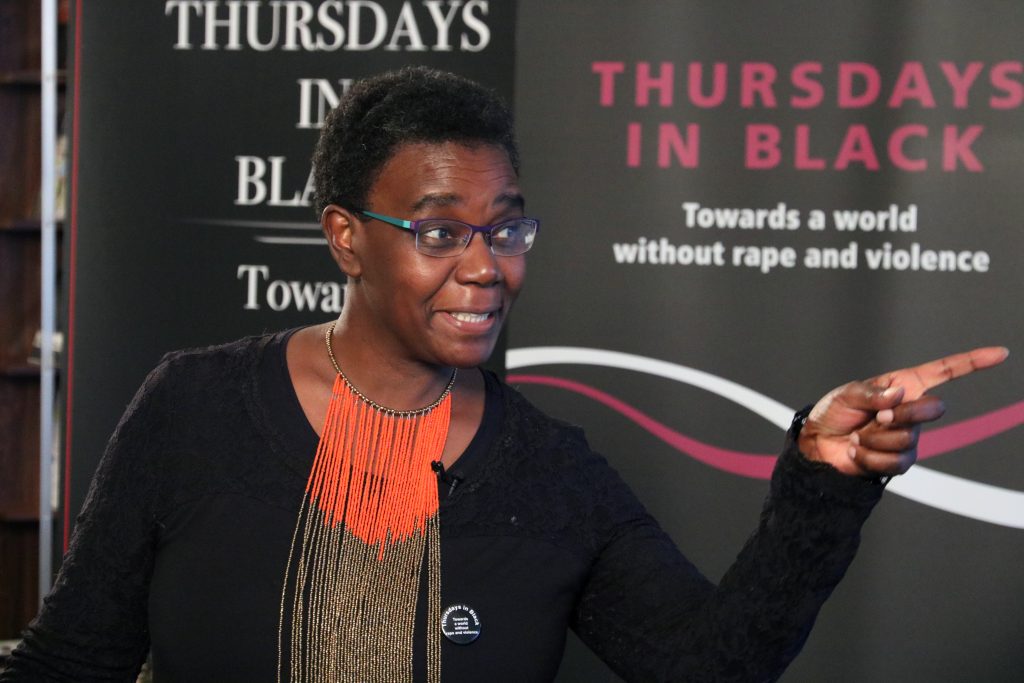

Photo: Albin Hillert/WCC
The Critical Stages of HIV Transmission
In this informative discussion on maternal and infant health, a critical spotlight is placed on the risks and methods of preventing mother-to-child HIV transmission. The narrative centers on three primary moments when transmission can occur: during pregnancy, delivery, and breastfeeding. Although cases of in utero transmission are rare, understanding these risks is paramount.
The Protective Mechanism: The Placenta
• Placenta as a Barrier: The placenta is a marvel of human biology. It serves as a shield, preventing the mother’s blood from mixing with the baby’s blood, thus significantly reducing the risk of infection.
• Blood Compatibility: The speaker explains how different blood types between a mother and child can complicate pregnancies, emphasizing the placenta’s role in keeping both safe. Blood types, if incompatible, would be catastrophic if mixed.
Potential Risks and Complications
• Complications During Pregnancy: Damage to the placenta can occur under certain conditions, such as physical trauma or medical complications, leading to the dangerous possibility of blood mixing.
• Historical Practices: The video touches on the past requirement for pre-marital blood tests to ensure couples could safely have children, highlighting how medical practices have evolved to prevent issues like incompatible blood types.
Prevention and Antenatal Care
• Administering ARVs: One effective prevention strategy is providing antiretroviral drugs (ARVs) to expectant mothers. This significantly lowers the risk of HIV transmission from mother to child.
• Antenatal Counseling and Care (ANC): Today’s antenatal clinics are crucial in monitoring and educating expectant mothers. These clinics focus on overall maternal and fetal health, addressing everything from blood iron levels to signs of fluid retention and healthy weight management.
The Importance of Antenatal Visits
• Comprehensive Health Checks: Mothers receive advice on maintaining their health and the baby’s, including dietary and lifestyle changes. Monitoring for conditions like anemia or excessive weight gain is routine.
• Counseling for Childbirth: The role of partners is also discussed. Bringing fathers to antenatal visits not only provides emotional support but also educates them about the complications and the impact of their actions, such as the harm of domestic violence, which can jeopardize both mother and child.
Addressing Domestic Violence Risks
• Impact on Pregnancy: The video underlines the severe consequences of domestic violence, particularly physical abuse, during pregnancy. Trauma can damage the placenta, putting the baby at significant risk.
• Educating Partners: Emphasizing the importance of spousal understanding, antenatal sessions aim to enlighten men on the need to protect their partners and unborn children, ensuring a supportive home environment.
Conclusion: The Lifelong Impact of Maternal Health
The message concludes with a call to action for increased awareness and participation in antenatal care. The speaker stresses that by empowering both women and men with knowledge, we can ensure the health and safety of future generations.