Photo credit: Ivars Kupcis/WCC
Questioning Traditional Family Values
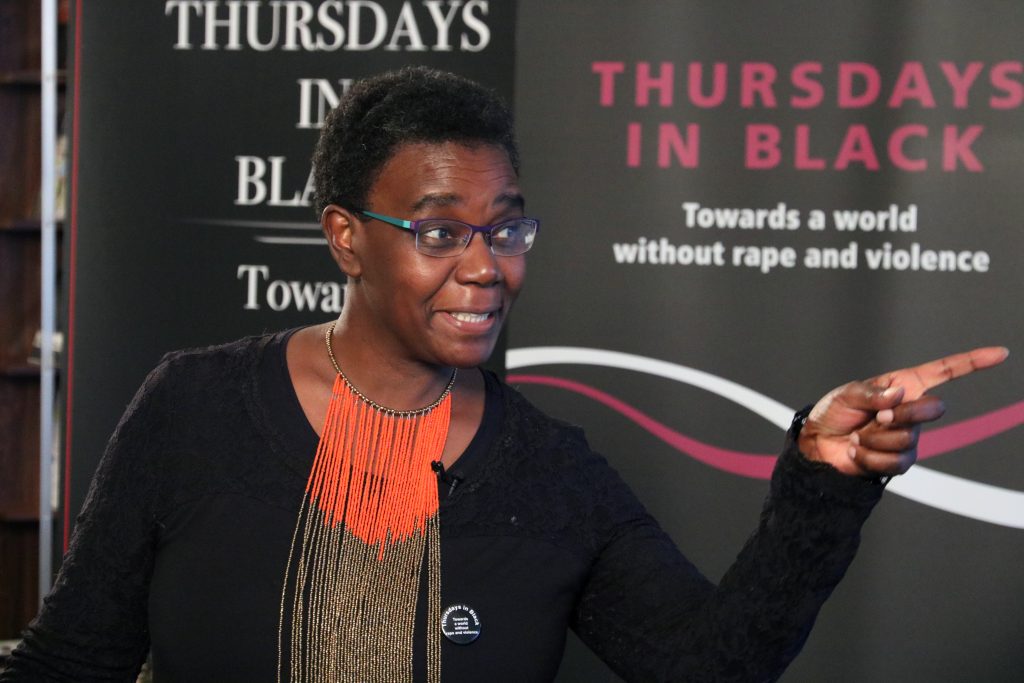
In a thought-provoking discussion set in Bangkok, Sharon Davies delves into the complex and often romanticized notion of the “traditional family,” specifically within an Asian cultural setting. Drawing from her extensive research and observations, Davies unpacks the reality and myths surrounding the concept of family in Asia and beyond.
The Idea of the “Traditional Family”
• Conceptual Misuse: Davies explains that the idea of a “traditional family”—a unit consisting of a mother, a father, and their biological children—has often been weaponized by governments and organizations. This notion is used to delegitimize or marginalize those who deviate from this rigid family structure.
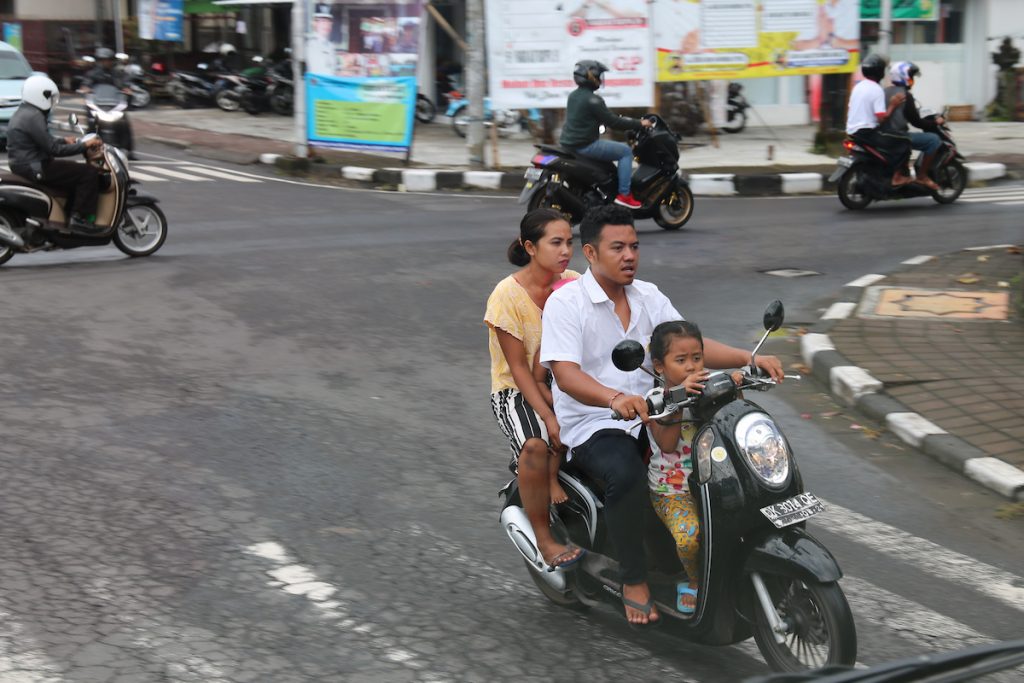
• Historical Reality: Contrary to the widespread myth, families throughout history have not conformed to this narrow definition. Diverse forms of family units have always existed, ranging from communal living arrangements to matriarchal structures where women might have multiple partners, all living together and sharing kinship ties.
• Importance of Inclusivity: Recognizing the rich tapestry of family forms is crucial. By doing so, societies can be more inclusive and accepting, embracing the varied ways in which humans have built relationships and support systems over time.
Cultural and Religious Influences on Family Structures
Faith Diversity in Asia
• Asia, with its rich cultural and religious diversity, offers a unique backdrop for examining family dynamics. The discussion delves into how different faiths influence concepts of family.
• Davies touches on her work in Indonesia, highlighting the country’s deep Islamic roots and the influence of religion on family structures.
Buddhist vs. Islamic Perspectives
• While Davies represents a Buddhist perspective on wisdom, she emphasizes the Islamic context due to her work in Indonesia. She describes how, historically, Islam has been interpreted progressively in many Indonesian communities.
• Progressive Interpretations: For hundreds of years, some Islamic groups have embraced diverse family structures and gender roles, arguing that these arrangements are divinely ordained. For instance, people have asserted that their identities and family formations are a reflection of God’s creation, worthy of respect and honor.
• Shifts in Interpretation: Unfortunately, recent governmental shifts have promoted a more conservative and exclusionary interpretation of Islam, which has resulted in the persecution of non-conforming families and diverse gender identities.
Conclusion: Embracing Family Diversity
Sharon Davies makes a compelling case for critiquing and moving beyond the narrow confines of the “traditional family” ideal. By understanding and respecting the diversity in family structures that has always existed across cultures, societies can become more equitable and compassionate. The challenge remains in how faith and tradition are interpreted and leveraged, either to uplift or to oppress, in today’s ever-evolving global landscape.