
Photo credit: Paul Jeffrey/WCC-EAA
Understanding the Fundamentals of HIV Transmission
HIV (Human Immunodeficiency Virus) remains one of the most extensively studied viruses, yet misconceptions about its transmission continue to persist. This presentation clarifies the precise mechanisms by which HIV is transmitted, debunks common myths, and emphasizes the importance of understanding the virus for effective prevention and management.
Key Factors Necessary for HIV Transmission
1. Existence of Infectious Fluids
• HIV can be present in bodily fluids such as breast milk, vaginal fluid, semen, mucus, and blood.
• These fluids need to remain within conditions conducive to the virus’s survival. Saliva, for example, contains elements that do not support HIV’s survival.
2. Survivability Outside the Body
• HIV is an extremely fragile virus and cannot survive long outside the human body. Factors such as temperature, moisture, and exposure to air rapidly reduce its infectious potential.
• In contrast, more resilient viruses like hepatitis can live on surfaces for longer durations.
3. Virus Dilution and Sufficiency
• The viral load (quantity of the virus) in fluids like saliva is insufficient to cause infection. Even if HIV is present in these fluids, it is diluted and does not pose a significant risk.
• A common saying humorously illustrates this: one would need to consume gallons of saliva to have enough viral load to risk transmission.
Common Misconceptions Debunked
1. HIV and Spilled Blood
• If blood contaminated with HIV spills on a surface, the virus’s survival depends on exposure conditions. The virus quickly loses potency in air and cannot survive indefinitely outside the body.
2. HIV Transmission Through Mosquito Bites
• There is no risk of HIV transmission from mosquito bites. When mosquitoes bite, they do not inject blood from previous hosts but instead transmit diseases like malaria through their saliva. HIV does not survive within a mosquito’s body.
Preventive Measures and Medical Science Advances
1. Preventing Mother-to-Child Transmission
• Breast milk is one of the fluids that can carry HIV. However, modern medical interventions allow HIV-positive mothers to minimize the risk of transmission. By lowering viral loads through medication, the virus’s sufficiency and potential entry points are drastically reduced.
• It is crucial to understand how stomach acid in babies naturally kills the virus, further reducing the risk.
2. Medication and Viral Load Management
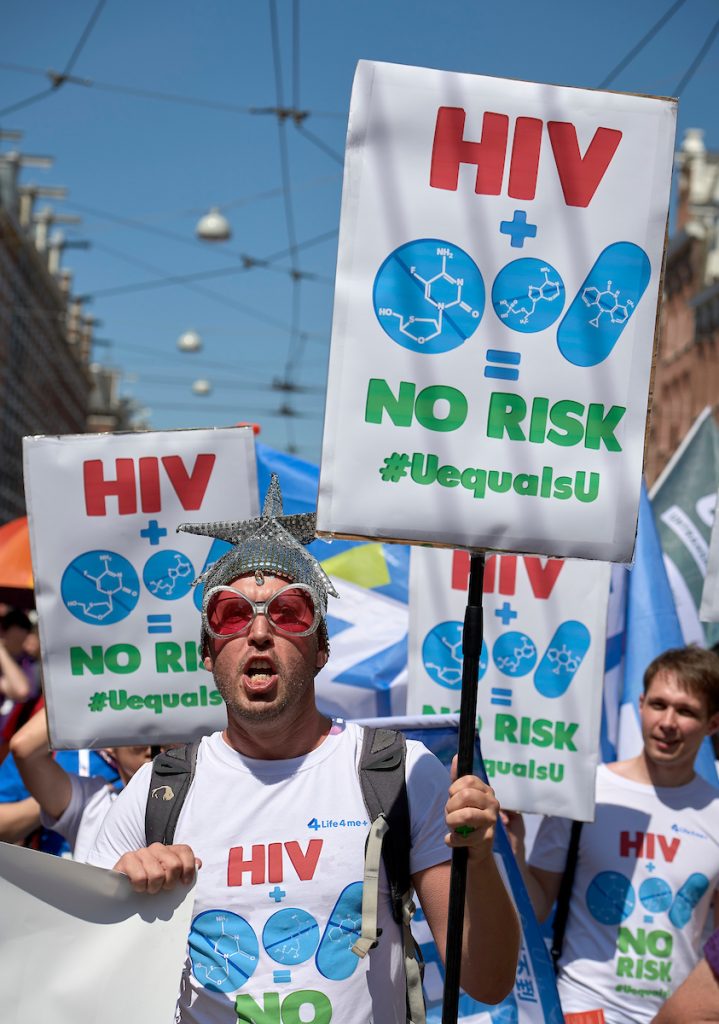
• Medications like antiretroviral therapy (ART) help decrease the viral load in HIV-positive individuals, making the virus undetectable and untransmittable.
• Knowledge about effective prevention tools, like condoms, also plays a critical role. By acting as barriers, condoms prevent the virus from finding an entry point into another person’s body.
Key Takeaway
Education is pivotal. Misconceptions about HIV transmission can perpetuate stigma and misinformation. Understanding how HIV functions, where it thrives, and the practical measures to prevent it empowers individuals to make informed choices. Ultimately, the virus does not discriminate, but awareness and precautionary actions can hinder its spread.