A Victory for Equality and Human Dignity
In a momentous decision celebrated by human rights advocates around the world, the Supreme Court of India has decriminalized homosexual activity, striking down colonial-era laws that had marginalized the LGBTQ+ community for 157 years. This historic ruling not only represents a significant victory for human rights but also underscores the growing global dialogue on equality and the dismantling of colonial legacies.
A Global Push for Human Rights
The Church of Sweden, in collaboration with the World Council of Churches, has played a supportive role in this milestone through initiatives that emphasize human dignity and inclusivity. The Church’s involvement in promoting human rights has been instrumental in shedding light on the need for affirming diverse identities.
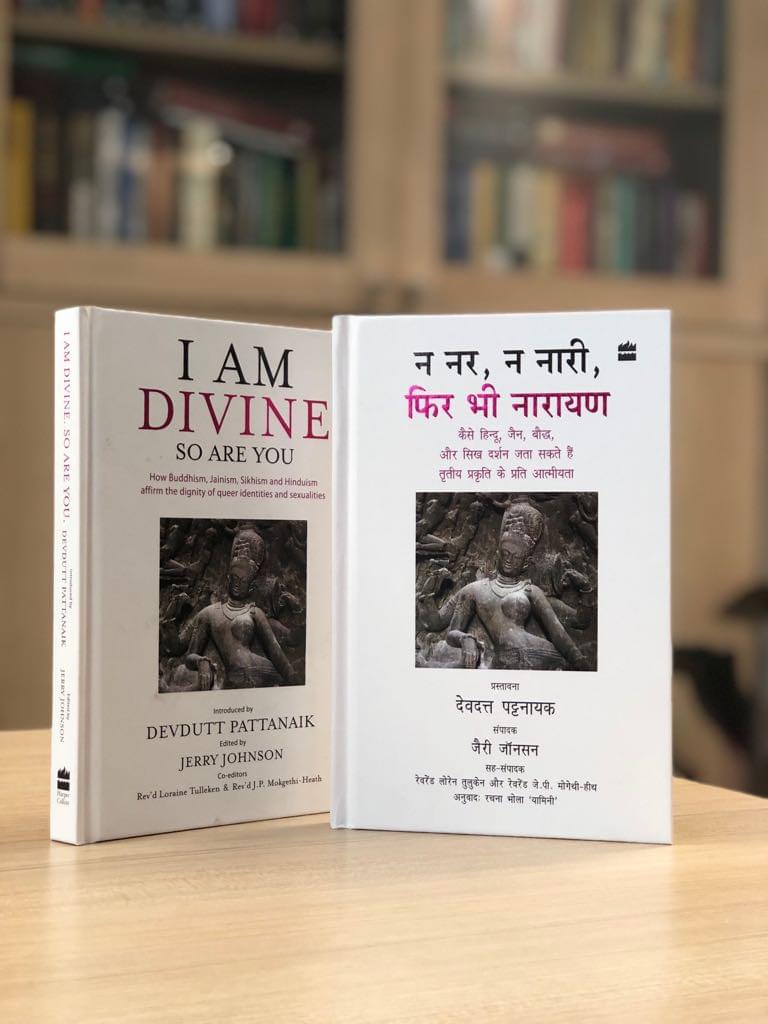
• Publication Efforts: A pivotal piece of evidence presented during the hearing was the book I Am Divine, So Are You, which explores the intersection of faith, human dignity, and sexuality. The Church of Sweden’s involvement in producing this book has been part of an ongoing mission to affirm the inherent value of every person.
• Historical Context: The conversation began in 2014 during the Uppsala Festival of Theology, where themes of human sexuality and dignity were discussed across different faiths. This work led to the production of Behold, I Make All Things New, examining Abrahamic religions, and later expanded to explore diverse world religions in I Am Divine, So Are You.
The Legacy of Colonialism and Its Impact
The ruling marks a critical break from a colonial past. Section 377 of the Indian Penal Code, introduced during English rule, had criminalized same-sex relations. Colonial laws, in all their forms, have perpetuated violence and oppression globally. The decriminalization represents a step toward liberation, aligning with broader movements to end gender-based violence and affirm human rights.
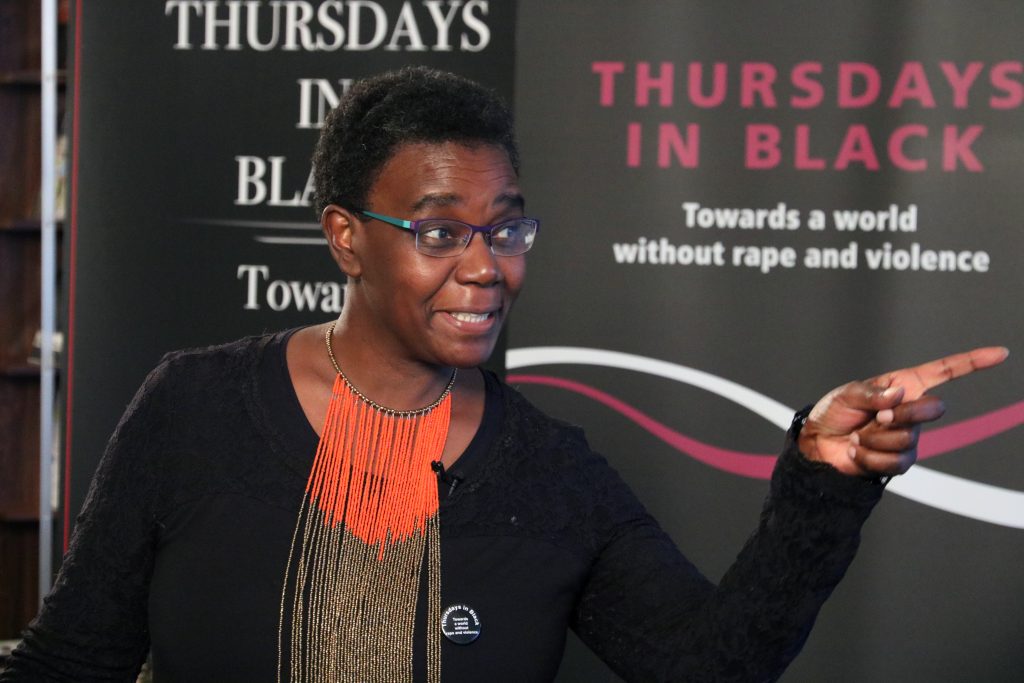
• Intersectionality: The World Council of Churches’ campaign “Thursdays in Black,” which seeks to end rape and gender-based violence, is interconnected with this ruling. Both initiatives strive for a world where people are free from violence and discrimination.
• Ending Colonial Violence: The symbolic and literal dismantling of colonial legacies is vital, as seen in the Supreme Court’s decision to overturn oppressive laws rooted in colonial rule.
Addressing Concerns of Neo-Colonialism
A critical question arises regarding whether external support for projects like this could be viewed as a form of modern colonialism. This concern is acknowledged, but it is emphasized that the Church’s role was to facilitate and support local voices rather than dominate or dictate. By collaborating with Indian scholars and faith leaders, the effort was to empower communities to explore faith through the lens of dignity and equality.
• Collaboration, Not Domination: The material for I Am Divine, So Are You was developed by experts in India, ensuring authenticity and respect for local perspectives. The Church of Sweden’s involvement was a means of uplifting voices, not imposing foreign beliefs.
How to Learn More and Engage
The conversation about faith and human rights continues. The Church of Sweden invites the public to an event at the end of the month in Deteborg, where both books will be presented and discussed. This gathering will be an opportunity for attendees to dive deeper into the themes of human dignity, faith, and sexuality.
• Event Details: On the 27th of this month, the books Behold, I Make All Things New and I Am Divine, So Are You will be the focus of a thought-provoking discussion, open to all who are interested in this ongoing work.
This ruling is not just a legal triumph but a moment of celebration and reflection. It calls for continued efforts toward a world where everyone, regardless of who they love, is treated with the respect and dignity they deserve.