Photo credit: Georgina Goodwin/WCC
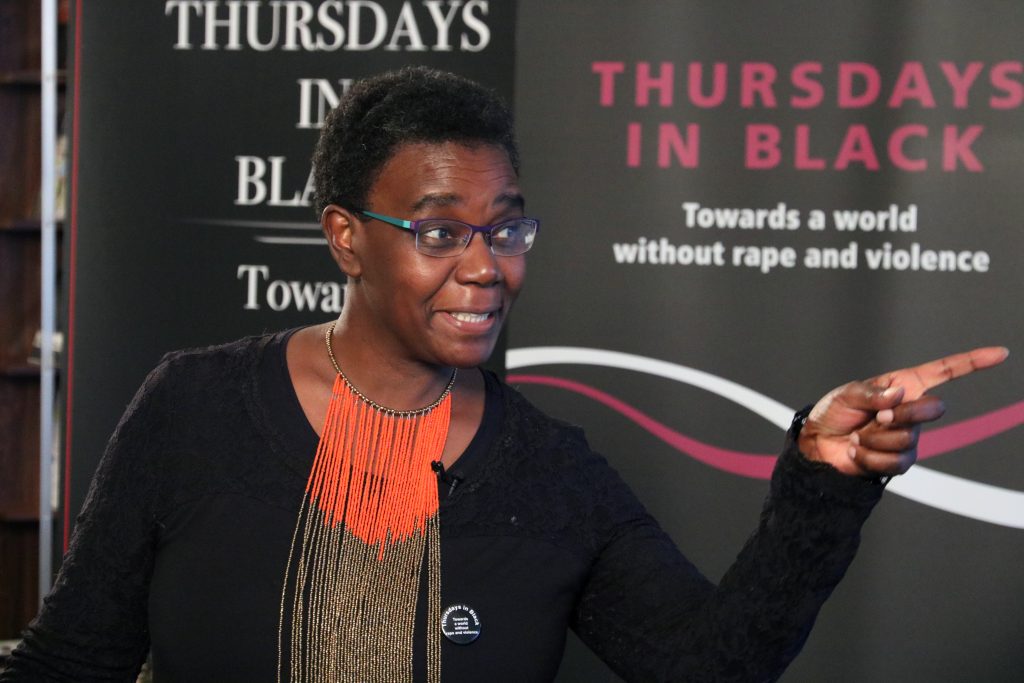
When we think about HIV, the discussion typically revolves around medical treatment, life expectancy, and efforts to manage physical symptoms. However, in a recent interview, healthcare specialist Mpho from INERELA+ sheds light on the often-overlooked challenges faced by children born with HIV, particularly the mental and emotional toll that follows them into adulthood. While the world focuses heavily on antiretroviral treatment, there are deeper layers of complexity, most notably the psychological and social hurdles these young people face.
The Untold Burden: Mental Health Struggles
• More Than Just Physical Health: While medical advances have enabled children born with HIV to live longer and healthier lives, the psychological challenges remain profound. These challenges stem not only from the condition itself but also from the social stigma and the life-long consequences of growing up with HIV.
• The Impact of HIV Treatment: Mpho emphasizes that mental health disorders are not uncommon in children born with HIV. Treatment itself, with its strict schedules and side effects, can exacerbate feelings of isolation and difference from peers.
Challenges of Disclosure and Understanding
1. Delayed Awareness: One of the most pressing issues children face is the delayed understanding of their condition. Mpho points out that many children learn about their HIV status in painful, indirect ways, often during adolescence. This can result in significant emotional distress, as many discover the truth by researching online or from overhearing conversations.
2. Parental Struggles: Parents, too, are caught in a difficult position. They grapple with the timing and method of disclosing this sensitive information. Uncertainty about when and how to discuss HIV creates an environment of secrecy and, unintentionally, fosters feelings of mistrust and confusion among children.
3. Feelings of Anger and Defaulting on Treatment: When children learn about their status in distressing ways, feelings of anger and betrayal often follow. As Mpho highlights, many young people experience unaddressed questions and unresolved anger, sometimes leading them to stop taking their medication—not as a choice but as an emotional response to the overwhelming reality of their condition.
The Complexity of HIV Disclosure
HIV disclosure remains a complicated topic. Mpho stresses that disclosure cannot be forced upon a person living with HIV, but openness about one’s status, especially among trusted loved ones, can help dismantle harmful stigmas. The discussion calls attention to the dual nature of stigma: both external (from society) and internal (self-stigma), which can deeply affect mental well-being.
Breaking the Chains of Stigma
The root of many mental health challenges for children born with HIV lies in the heavy burden of stigma. The societal judgment and morality that still linger around HIV status keep people silent and ashamed. Yet, Mpho remains hopeful. She suggests that by working collectively to overcome these prejudices, we can create an environment where these young people are free from mental health struggles, moving towards a future where they can thrive emotionally as well as physically.
Conclusion
This discussion sheds light on the hidden psychological battles faced by children born with HIV. As we work towards a more inclusive and understanding society, it becomes increasingly crucial to address not only the physical but also the mental health of those affected by HIV. By breaking down barriers of stigma, offering empathetic support, and creating safe spaces for discussion and disclosure, we can help ensure that no child faces these challenges alone.