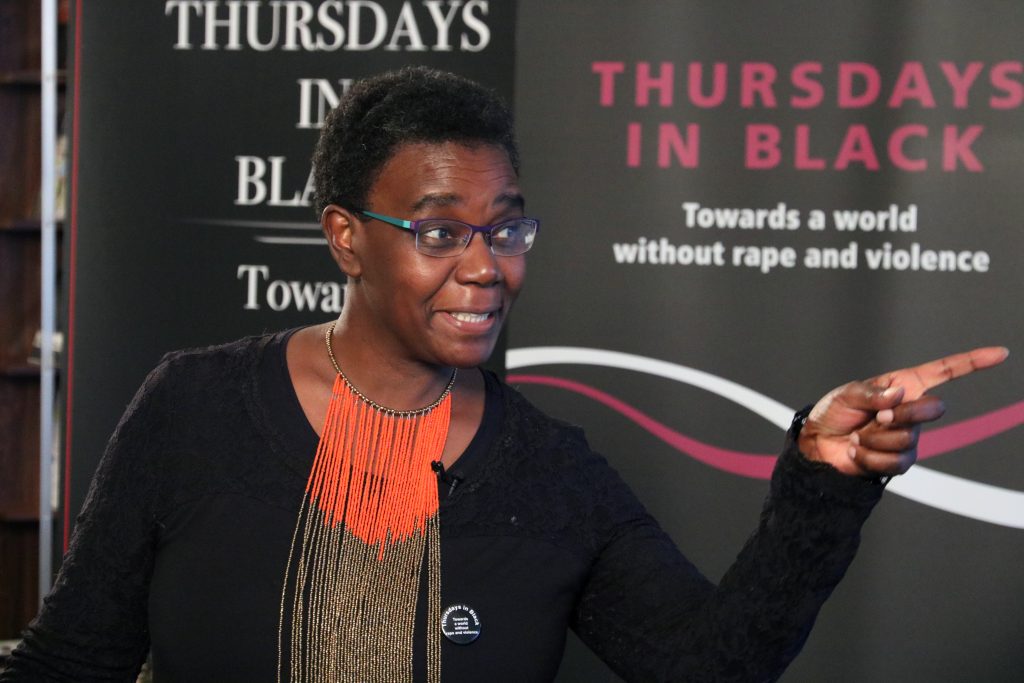

Photo credit: Gregg Brekke/WCC
In a time when global awareness of social inequalities is at its peak, conversations about sexuality, faith, and human rights have never been more critical. The World Council of Churches – Ecumenical HIV & AIDS Initiatives and Advocacy (WCC-EHAIA) is at the forefront of these discussions, advocating for dignity, inclusion, and comprehensive understanding within religious communities.
A Global Faith Movement
WCC-EHAIA is committed to fostering dialogue and providing education on sexual and reproductive health rights. Operating from its Geneva Secretariat, the organization maintains regional offices in Kinshasa, Harare, Togo, Nairobi, and Luanda, Angola. These hubs serve to facilitate impactful advocacy across Africa and beyond.
• Core Mission: WCC-EHAIA seeks to merge theological reflection with practical advocacy, addressing issues related to gender identity, sexual orientation, and human dignity.
• Vision: To build a world where faith communities celebrate sexuality as a natural and sacred part of life, free from stigma and discrimination.
Celebrating Sexuality as a Divine Gift
One of WCC-EHAIA’s central themes is the recognition of sexuality as a divine gift meant to be enjoyed. The organization encourages a progressive interpretation of faith that embraces human sexuality as integral to spiritual fulfillment.
• Pleasure and Spirituality: By linking spirituality with sexuality, WCC-EHAIA promotes a holistic understanding of how faith can enrich personal well-being.
• Engaging Faith Leaders: Through workshops, the organization works with religious leaders to challenge patriarchal norms and educate communities about sexual and reproductive health rights.
Compassionate Dialogue with the LGBTQ+ Community
A key aspect of WCC-EHAIA’s work is creating spaces where religious leaders and members of the LGBTQ+ community can engage in meaningful, compassionate dialogue. This initiative aims to break down prejudices and encourage mutual understanding.
• Safe and Open Spaces: WCC-EHAIA has pioneered gatherings that allow both groups to share experiences and learn from one another, using listening as a powerful tool for change.
• Reinterpreting Scripture: The organization also facilitates theological discussions that challenge traditional interpretations of biblical texts often used to condemn homosexuality, revealing that these condemnations may not align with original scripture.
Stories of Transformation
Real stories from the field illustrate the transformative impact of WCC-EHAIA’s work. One notable narrative describes a religious leader who shifted from opposing LGBTQ+ inclusion to becoming an advocate after participating in these dialogues.
• Community Empowerment: In Togo, community members have been emboldened to come out and receive support, with some even mediating family acceptance.
• Documentary Recognition: The journey of individuals like Frankie, an activist whose experiences are now the subject of a documentary, showcases the far-reaching effects of these initiatives.
Combatting Sexual Exploitation in Schools
WCC-EHAIA is also addressing the growing problem of sexual exploitation among school-aged youth in francophone Africa. Reports have emerged about organized groups facilitating harmful practices, prompting the organization to take action.
• Awareness Campaigns: WCC-EHAIA is working to educate communities and empower young people to resist and report exploitation, fostering safe and informed environments.
Bridging Generational Divides
The organization has found success in bringing together youth and adults to address issues like sexual abuse and gender-based violence. By creating intergenerational dialogue, WCC-EHAIA ensures that both groups can speak openly and learn from one another.
• Breaking Barriers: In Nigeria, for instance, separating students from teachers during discussions allowed for more honest conversations, which later evolved into joint, constructive dialogues.
• Empowering the Next Generation: Young people are given a platform to voice their concerns, fostering mutual respect and understanding across generations.
Ongoing Publications and Future Goals
WCC-EHAIA continues to develop educational resources focused on promoting positive masculinity and addressing gender roles in faith contexts. These publications are a step toward greater inclusivity within religious discourse.
• Research and Reflection: Current projects explore the cultural and religious dimensions of gender in places like the Democratic Republic of Congo, with input from Christian and Muslim communities.
• Comprehensive Sexuality Education: Addressing sexual and reproductive health remains a priority, with a commitment to equipping faith leaders with the knowledge to guide their communities thoughtfully.
Conclusion
The work of the World Council of Churches – Ecumenical HIV & AIDS Initiatives and Advocacy stands as a testament to the power of faith to drive social change. By listening, learning, and embracing diversity, WCC-EHAIA is helping shape a future where every individual is celebrated and respected. Their message is clear: Together, we can transform our communities and promote dignity for all.