Photo credit: Georgina Goodwin/WCC
Introduction to INERELA+
INERELA+ (International Network of Religious Leaders Living with or Personally Affected by HIV and AIDS) is a powerful coalition born out of necessity in Africa. In 2002, eight religious leaders, including the video speaker and JP, courageously stepped forward to address the HIV epidemic that was decimating communities. These leaders openly disclosed their HIV status, setting the stage for a revolutionary faith-based response to the crisis. Since its inception, INERELA+ has expanded to include networks across Africa, Asia-Pacific, Europe, Latin America, North America, and the Caribbean, with a vision rooted in eliminating HIV-related stigma, new infections, and AIDS-related deaths.
Vision and Mission
• Founding Goals: The network was created to challenge stigma, advocate for universal access to treatment, and train faith leaders to become change agents within their communities. It has since embraced a vision aligned with UNAIDS’ “three zeros” strategy: zero stigma, zero new infections, and zero deaths.
• Scope of Work: INERELA+ works interfaith, embracing Christianity, Islam, Buddhism, Hinduism, Sikhism, and more. This inclusivity helps the organization reach a broad array of religious communities with tailored messaging and training.
Holistic and Community-Driven Training
INERELA+ trains religious leaders to integrate HIV and sexual health awareness into their spiritual teachings, ensuring that congregational responses align with both cultural values and medical best practices.
Key Training Initiatives
1. Sexual and Reproductive Health and Rights (SRHR) Program
• Religious leaders are educated on SRHR to enable them to empower inadequately served populations. Leaders then create community-specific initiatives.
2. The “SAVE” Prevention Model
• Safer practices
• Access to treatment and nutrition
• Voluntary counseling and testing
• Empowerment
• This holistic model addresses gender dynamics and structural injustices, giving women a voice and options in contexts where traditional prevention strategies like ABC (Abstinence, Be Faithful, Condom use) were ineffective.
Addressing Structural and Gender Inequities
INERELA+ doesn’t just tackle HIV but also addresses societal inequities contributing to its spread. The network actively engages with issues like gender justice, human dignity, and sexuality education.
Structural Interventions
• Human Dignity Approach: This was developed to address religious leaders’ concerns that human rights were a Western imposition. By framing rights in terms of inherent human dignity, the network made the concept more palatable and actionable within faith communities.
• Advocacy and Theological Dialogues: Initiatives target cultural practices, such as early marriages, that heighten vulnerability to HIV.
Empowering Communities through Tailored Education
• Youth Education: Programs specifically target in-school and out-of-school youth, with religious leaders training catechists or incorporating curriculum adjustments in madrasa settings.
• Comprehensive Toolkits: INERELA+ has developed modules addressing diverse topics, from SRHR and comprehensive sexuality education to female genital mutilation and condom use.
Global and Local Reach
The work of INERELA+ is far-reaching, with its Secretariat in Johannesburg, South Africa, acting as a hub for network support, capacity building, and communication. Whether it’s supporting governance in Nigeria or translating toolkits into multiple languages for Francophone countries, INERELA+ adapts its resources to meet specific regional needs.
Organizational Development Focus
• Governance and Resource Mobilization: The network provides support for organizational challenges, from human resources to securing funding.
• Monitoring and Evaluation: Continuous assessment ensures programs are effective and responsive.
Advocacy and Cultural Sensitivity
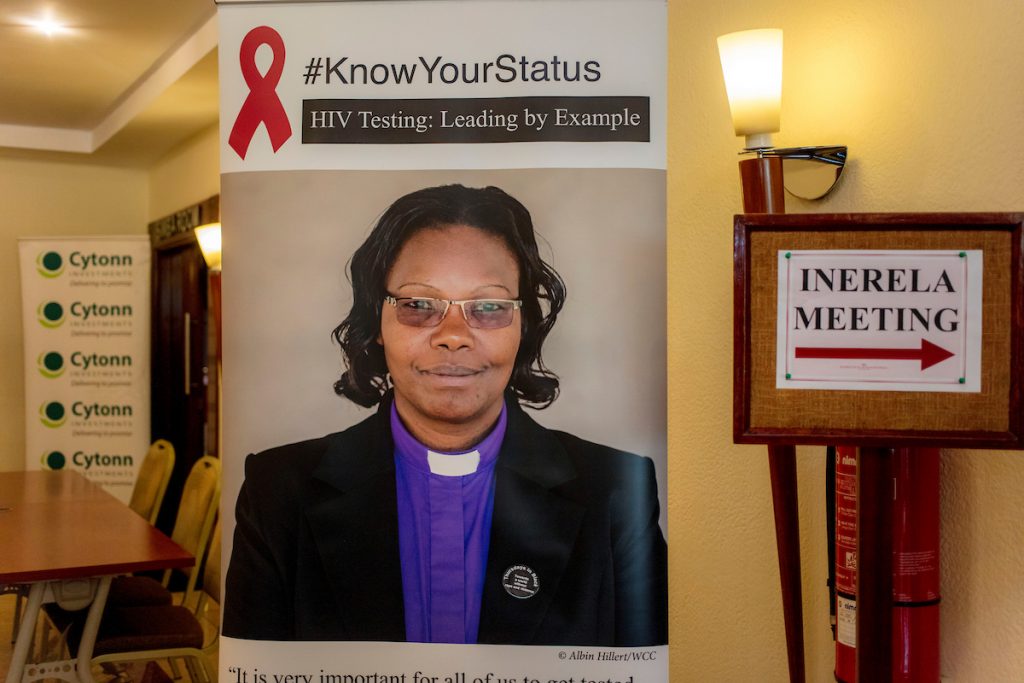
INERELA+ champions gender-responsive and culturally sensitive programs, ensuring that men are equally involved, particularly in HIV testing and prevention efforts. Despite the long-standing prevalence of HIV, stigma and fear remain barriers to testing, especially among men, resulting in late-stage diagnoses.
Campaigns and Outreach
• HIV Testing Campaigns: Special emphasis is placed on encouraging men to undergo testing early.
• Localized Responses: The network customizes interventions based on each country’s cultural and linguistic landscape.
Conclusion
INERELA+ continues to redefine the role of faith communities in the fight against HIV, transforming religious leaders into powerful advocates for health, human dignity, and gender equity. By integrating theological understanding with health advocacy, the network is fostering a world where communities are empowered to address HIV proactively and compassionately.