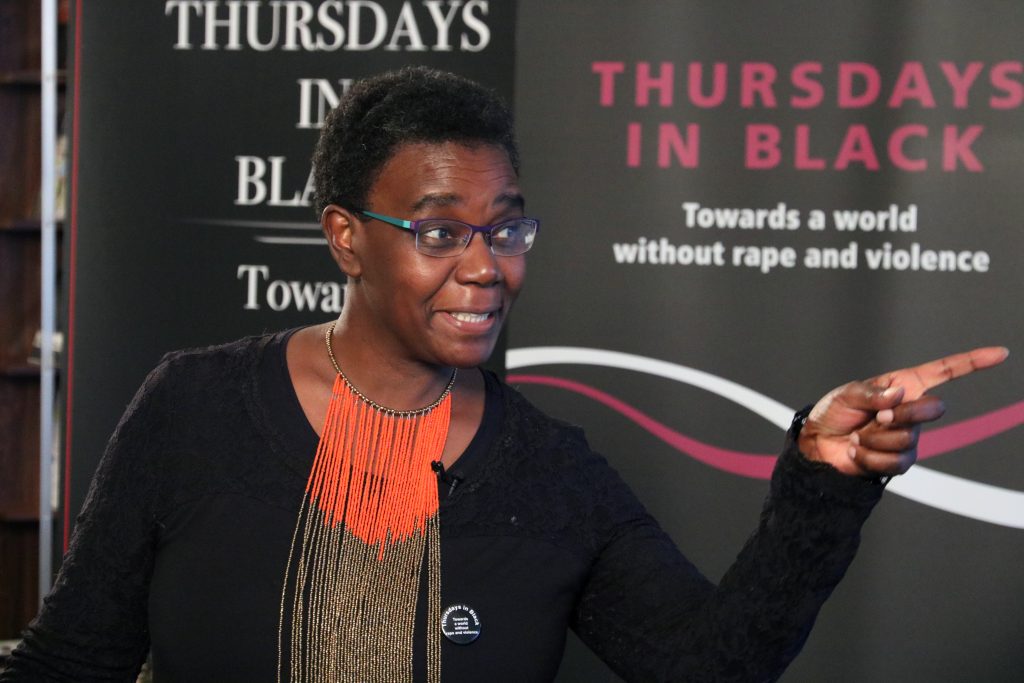
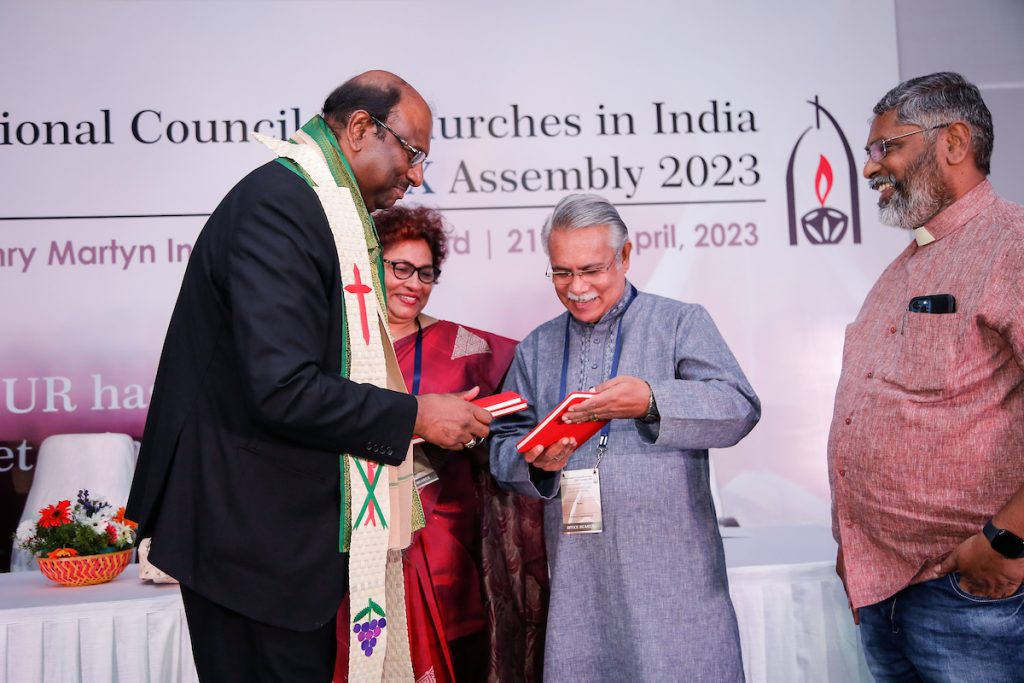
Photo credit: NCCI
The National Council of Churches in India (NCCI) has long been a voice for social change within faith communities. In a recent conversation with Paul Thomas of NCCI, important insights emerged about the evolving approach to HIV and human sexuality in Indian society, highlighting the church’s role in fostering understanding and support for marginalized groups.
A Strategic Shift: Focusing on Human Sexuality
In 2015, NCCI shifted its focus from solely addressing HIV to a broader emphasis on human sexuality. This change was driven by a pressing need: churches were not adequately engaging with people of diverse sexual and gender identities. At the same time, these groups were experiencing higher rates of HIV, prompting a deeper look at how faith communities could better support them.
Breaking the Silence Around Sexuality
• The Challenge: Many regions in India, particularly those with large Christian populations, are still reluctant to openly discuss issues like sexuality and HIV. Addressing this requires sensitivity and strategic conversations.
• Using HIV as a Conversation Starter: Although NCCI initially focused on human sexuality, they quickly realized that HIV could not be ignored. In fact, discussions about HIV opened doors to deeper conversations about gender and sexual identity, breaking down some of the longstanding barriers.
The Overlooked Groups: Youth and the Elderly Living with HIV
• Aging Populations: One of the most surprising discoveries was the need to support older adults living with HIV. Advances in medical treatment mean that people with HIV are living longer, yet support systems often fail to address the challenges faced by this aging demographic.
• Youth Programs: On the other end of the spectrum, young people living with HIV also need more attention. Peter Burgess, mentioned in the interview, leads programs focused on youth and adolescents who are often neglected by traditional HIV outreach efforts. These groups don’t always fit into the common age brackets defined by global health agencies, highlighting the need for more inclusive and adaptable services.
Practical Solutions: Churches Stepping Up
• Utilizing Resources Wisely: In response to growing needs, some churches have opened their doors and repurposed unused properties to provide safe housing for people living with HIV. This is a powerful example of how faith communities can use their resources to make a real difference.
• Long-Term Sustainability: Historically, church-driven HIV programs relied heavily on external funding, which limited their long-term impact. NCCI is now focused on making HIV awareness and support part of the everyday work of churches, ensuring these efforts are sustained even without outside financial help.
The Road Ahead: Reassessing Priorities
• A New Approach: NCCI recognizes the need to regularly reassess where their efforts are most needed. By strengthening their programs and making HIV and human sexuality central to church ministries, they hope to build a more supportive and informed community.
• Empowering Churches: The goal is to empower churches to be a continuous source of support for people living with HIV and to embrace discussions around human sexuality with openness and understanding.
Why This Matters
This conversation with Paul Thomas shows how faith-based organizations like NCCI are finding new ways to address critical social issues. By using their influence and resources, these groups are working to reduce stigma, support vulnerable populations, and create spaces where everyone feels included and respected.