Photo credit: Albin Hillert/WCC
In a heartfelt and urgent discussion, Bishop Regen Luna, an INERELA+ ambassador from the Philippines, sheds light on a pressing issue affecting the nation: the high prevalence of HIV within the LGBT community, particularly among men who have sex with men (MSM). This article unpacks the critical conversation, revealing the root causes, the impact of stigma, and the promising solutions emerging from local initiatives.
The Shadow of Stigma in the Philippines
The Philippines, a predominantly Christian nation, grapples with deep-rooted cultural and religious beliefs that have inadvertently fueled the HIV epidemic. According to Bishop Luna, stigma—rooted in religious, familial, and social norms—drives members of the LGBT community underground, creating barriers to HIV testing and treatment. This stigma is multifaceted, often linked to negative perceptions of sexuality and the human body.
“People feel bad about themselves,” Bishop Luna explains. “They don’t have the courage to get tested because they are afraid of being judged by friends, family, or their community.” The cultural doctrine that the body and desires are inherently sinful has contributed to low self-esteem and heightened the risk of HIV transmission by pushing at-risk individuals into hiding.
The Role of Religion in HIV Stigma
Christianity’s influence in the Philippines plays a double-edged role. On the one hand, traditional teachings promote sex negativity, exacerbating feelings of guilt and fear among the LGBT community. On the other, religious organizations are now stepping up to be part of the solution. The challenge lies in transforming religious discourse from a source of shame to a beacon of hope and support.
Bishop Luna emphasizes the need for a cultural shift: “The connection between our religious beliefs and the low self-esteem of many people in the community has a big impact.” By addressing these beliefs, community leaders hope to foster an environment where individuals can embrace their identities and seek life-saving medical care.
Empowering Change Through Education: The SAVE Toolkit
In response to the crisis, INERELA+ has introduced the SAVE Toolkit, a groundbreaking methodology designed to combat stigma and promote HIV prevention. SAVE stands for Sexuality Awareness, Faith, and Education, and it aims to teach gender equality, body positivity, and safe practices. As a trained SAVE facilitator, Bishop Luna has witnessed its transformative impact firsthand.
“We went to a far-flung area where we educated even heterosexual members of the community,” he recounts. The results were astounding: people, regardless of sexual orientation, lined up to get tested. This success story illustrates how education and inclusivity can change hearts and minds, encouraging collective responsibility in the fight against HIV.
A National Call to Action
HIV rates in the Philippines remain among the highest in the world, and the first step to addressing this crisis is to increase testing. The National Council of Churches in the Philippines, partnering with initiatives like INERELA+’s SAVE Toolkit, is championing efforts to destigmatize HIV testing and support preventive measures.
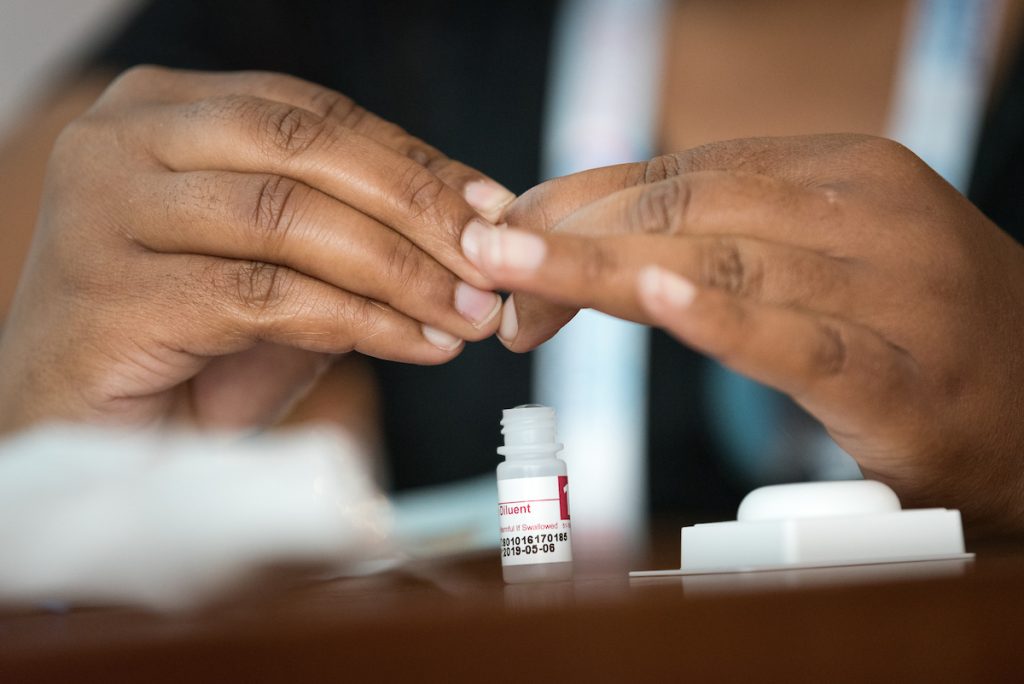
“The campaign has directed many people towards testing,” Luna remarks. “Our challenge to you is simple: if you don’t know your HIV status, go and get tested.”
Conclusion: A Message of Hope
While the road ahead is long, stories like those from Bishop Luna and the SAVE Toolkit bring hope. They show that, through community-driven education and support, it is possible to combat stigma and make testing accessible and acceptable. By breaking the silence and addressing cultural taboos, the Philippines can turn the tide against HIV.
For more information and to learn how you can support these initiatives, consider exploring the work of INERELA+ and the National Council of Churches in the Philippines. Most importantly, if you or someone you know is at risk, remember: knowing your status is the first step towards a healthier future.