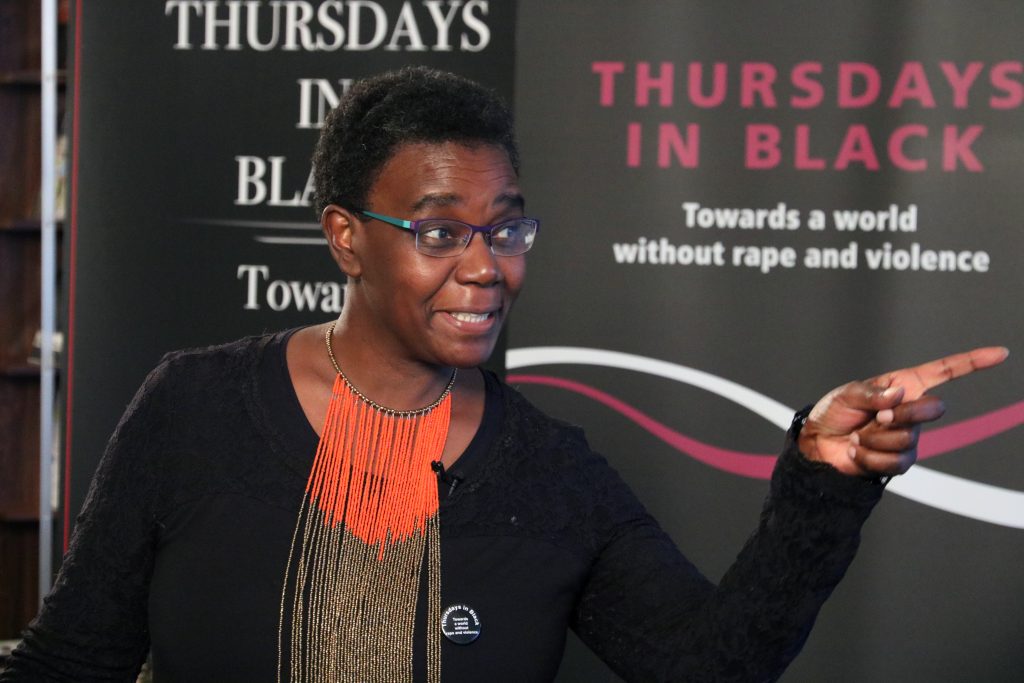

Photo credit: Hymie Sokupha / WCC
This article examines the inspiring work of Christian leaders in Southern Africa who are tackling the critical issue of violence against marginalized communities, especially LGBTQI+ individuals. Their approach, rooted in a deep understanding of the African context and driven by a commitment to human dignity, offers valuable insights for interfaith leaders and community organizers globally.
A Foundation of Shared Experience and Action
The initiative is a testament to the power of shared history and collective action. Recognizing their history of collaboration in combatting apartheid and HIV/AIDS, mainline churches in Southern Africa, including Anglican, Roman Catholic, and African Independent Churches, united to address the pressing issue of violence against LGBTQI+ individuals. This shared experience laid the groundwork for a powerful and unified response.
Centering African Voices and Perspectives
Instead of imposing external solutions, the initiative prioritizes the voices and experiences of those most affected by the issue. This is evident in the development of the “One Body” material, a key resource in their work.
- The material is authored by a diverse group of African scholars, a majority of whom are women. This ensures that diverse perspectives shape the discourse.
- Their scholarship is firmly grounded in the African context, drawing upon cultural concepts and lived experiences to make the material relatable and relevant.
- The initiative is driven by a call from the Fellowship of Christian Councils in Southern Africa (FOCCISA), highlighting the organic and context-specific nature of the movement.
Challenging Theological Roots of Violence
The “One Body” material tackles the complex theological underpinnings of violence and marginalization head-on. It encourages participants to critically examine their beliefs and confront harmful interpretations of scripture.
- The Church as Salt and Light: Bishop Malusi emphasizes the Church’s responsibility to actively transform society, drawing on the liberation theology methodology of “see, judge, act,” which was effectively used during the anti-apartheid and HIV/AIDS movements.
- The Bible as a Contested Text: Dr. Gunda acknowledges the diverse interpretations of the Bible, contrasting the literal interpretations often used to condemn LGBTQI+ individuals with a more holistic reading that prioritizes human dignity and justice.
- De-stigmatizing Sexuality and Embracing Dialogue: Dr. Fulata’s personal experience of being marginalized due to premarital pregnancy exposes the Church’s often judgmental approach to sexuality. She uses her story, along with the biblical account of the Canaanite woman, to advocate for open dialogue and the restoration of dignity to those who have been marginalized.
- Integrating Traditional Understandings with Scientific Knowledge: Lebogang acknowledges the cultural taboos surrounding sexuality in the African context and advocates for incorporating scientific knowledge about sexual diversity to challenge harmful traditional beliefs.
- Centering Lived Experiences: The inclusion of Reverend Nicola, a self-identified lesbian pastor and activist, within the project is crucial. It shifts the conversation from theoretical discussions to the lived realities of LGBTQI+ individuals within the Church, promoting inclusivity and authentic representation.
Transforming Hearts and Minds through Dialogue and Empathy
The impact of the initiative goes beyond theoretical discussions; it focuses on transforming hearts and minds through dialogue and empathy.
- Workshops offer safe spaces for participants to express their fears and reservations, allowing them to grapple with the complex issues surrounding sexuality and identity.
- The emphasis on personal storytelling and sharing of lived experiences helps break down prejudices and fosters understanding.
- The initiative encourages participants to move beyond seeing individuals solely through the lens of their sexual orientation and recognize their shared humanity.
The Power of Interfaith Partnerships
The collaboration between Southern African and Nordic churches demonstrates the power of interfaith partnerships in addressing global challenges.
- While Southern African churches provide contextual expertise and lived experiences, Nordic partners offer financial and human resources, fostering mutual learning and exchange.
- This collaborative model recognizes the interconnectedness of struggles for human dignity across geographical and cultural boundaries, emphasizing the need for collective action to create a more just and equitable world.
Lessons for Interfaith Leaders and Community Organizers
This Southern African initiative offers valuable lessons for interfaith leaders and community organizers around the world:
- Prioritize Contextual Understanding: Tailor approaches to the specific cultural and social contexts of the communities involved.
- Center Lived Experiences: Elevate the voices and experiences of marginalized individuals, ensuring their perspectives are central to the conversation.
- Embrace Dialogue and Empathy: Create safe spaces for open and honest dialogue, fostering empathy and understanding.
- Challenge Harmful Theologies: Confront harmful interpretations of religious texts that perpetuate violence and exclusion.
- Foster Interfaith Partnerships: Collaborate across religious and cultural boundaries, sharing resources and learning from each other’s experiences.
By embracing these principles, interfaith leaders and community organizers can contribute to building a world where the inherent dignity of every individual is recognized and respected, regardless of their sexual orientation or gender identity.